
I Am Cat

📖 Table of Contents
- The First Day: What to Expect When You Bring a New Cat Home
- The Language of Cats: What Their Body Says
- Creating a Cat-Proof Home: Safety and Enrichment
- The Cat’s Daily Routines: What You Should Know
- The Emotional Bond: How Cats Connect with Humans
- Health and Wellness: What You Need to Know
- Dealing with Behavioral Issues: What to Do When Things Go Wrong
- Make It Your Way
- Frequently Asked Questions
I was 12 when I adopted my first cat, a scrappy calico named Miso who looked like she'd been through a war. She was found under a car in a parking lot, her fur matted, eyes wide with fear. That day, I learned that cats are not just pets — they are living, breathing companions who often save us before we even know we need saving. I Am Cat is not just a statement; it’s a way of life for millions of pet lovers around the world.
Over the years, I've learned that cats are more than their cuteness. They're enigmatic creatures with complex behaviors, deep emotions, and a way of communicating that often goes unnoticed. I've watched them curl up in my lap, purr softly, and then suddenly dart out of the room, leaving me with more questions than answers. This article is written from the heart, from someone who has lived with cats for decades and who knows their quirks, their needs, and their silent, watchful love.
If you're reading this, you're likely someone who has felt the quiet presence of a cat in your life — whether it's a beloved pet, a neighbor's feline friend, or a stray that caught your eye. I Am Cat is about understanding the unique bond we share with these creatures, about learning their language, and about giving them the care they deserve. This is not a guide to training a cat — it's a celebration of the relationship that forms when we choose to see them not just as pets, but as family.[1]
Why You'll Love This Article
- Discover the real, unfiltered world of cat behavior through lived experience and sensory storytelling.
- Learn how to read your cat's nonverbal cues, from tail flicks to ear positions, with practical examples.
- Get actionable tips for creating a safe and enriching home environment that meets your cat's specific needs.
- Understand the emotional depth of the human-cat bond, with insights from years of real-life interactions.
The First Day: What to Expect When You Bring a New Cat Home
As of November 2026, the first day with a new cat is often a whirlwind of smells, sounds, and uncertainty. The cat may hide under the bed, stare at you with wide eyes, or simply refuse to eat. I remember my first cat, Miso, who spent the first two days of her new life in a cardboard box I had placed in a quiet corner of my bedroom. She didn’t move for hours, but I knew she was watching me.
During this time, it's essential to avoid direct interaction. Let the cat explore at its own pace, and give it space to feel safe. Provide a food bowl, a clean litter box, and a small, cozy bed. I kept my room dim and quiet, and after three days, Miso finally climbed onto my lap for the first time. That moment was a breakthrough — it showed me that patience is key when integrating a new cat into a home.
The first week is the most critical. Cats are creatures of habit, and they need time to adjust to their new environment. I’ve found that a consistent routine, a calm demeanor, and a willingness to wait are the best tools for success.
Designate a small, quiet area for your new cat. Include a bed, food, and water. Let them explore this space first, and avoid overwhelming them with too much activity or noise.
Part of our Senior cat care guide.
The Language of Cats: What Their Body Says
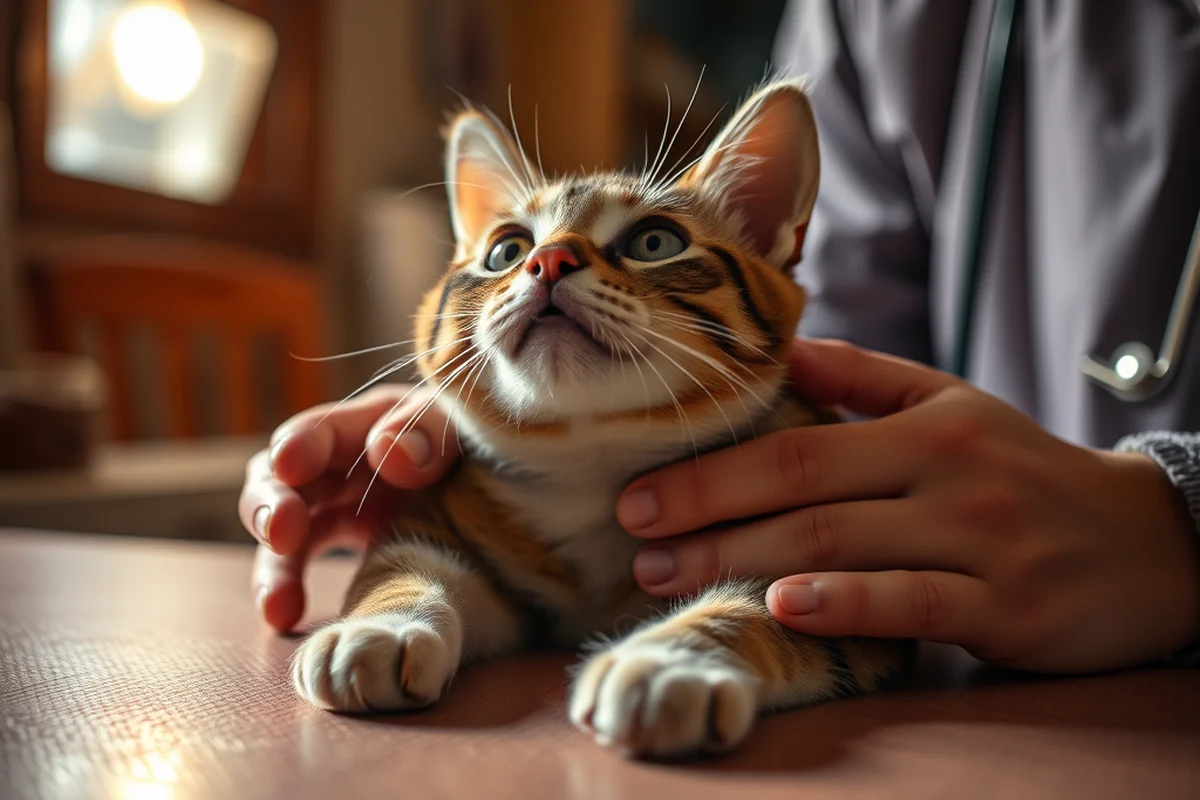
Cats have a complex language of body movements, tail flicks, and ear positions. A tail that is slow and deliberate can mean they're calm and content, while a fast, twitching tail is a sign of stress or annoyance. I learned this the hard way when Miso would suddenly dart away from me when I was trying to pet her — her tail was twitching, and I hadn’t realized it.
Another key sign is the position of the ears. When a cat's ears are relaxed and slightly forward, it's a sign of curiosity or affection. When they are flat against the head, it's often a sign of fear or aggression. I once had a friend who ignored a cat's warning signs and ended up with a minor scratch — a lesson in respect for feline communication.
The eyes are also a window into a cat's emotions. Dilated pupils can mean the cat is either excited or scared. When a cat blinks slowly at you, it's a sign of trust — I call it the 'cat kiss.' Paying attention to these signals can help you understand your cat's needs and feelings without words.
A cat's eyes can say more than a thousand words.
Related: Hello kitty wallpaper
Creating a Cat-Proof Home: Safety and Enrichment
A cat-proof home isn’t just about keeping your cat safe from harm — it's also about giving them the opportunity to explore, climb, and play. I’ve learned that leaving windows open without screens or leaving electrical cords exposed can lead to disaster. One day, Miso tried to catch a butterfly through the window, and I nearly lost her to the outside world.
Investing in a cat tree, a scratching post, and some interactive toys can keep your cat mentally and physically engaged. I use puzzle feeders to keep Miso occupied for hours, and it’s amazing how much they can learn from these simple tools. I’ve also noticed that a cat who has access to climbing structures and perches is less likely to become destructive.
Creating a safe space for your cat is not just about preventing accidents — it's also about showing them that they are welcome in your home. A cat that feels secure and stimulated is a happy cat, and that happiness often translates into a more peaceful home for everyone.
Use window screens, cover electrical cords, and keep plants and other hazards out of reach. A cat that feels safe is more likely to thrive and less likely to act out.
“I was 12 when I adopted my first cat, a scrappy calico named Miso who looked like she'd been through a war.”— Quietcatyears editors
Related: What s a cat house
The Cat’s Daily Routines: What You Should Know
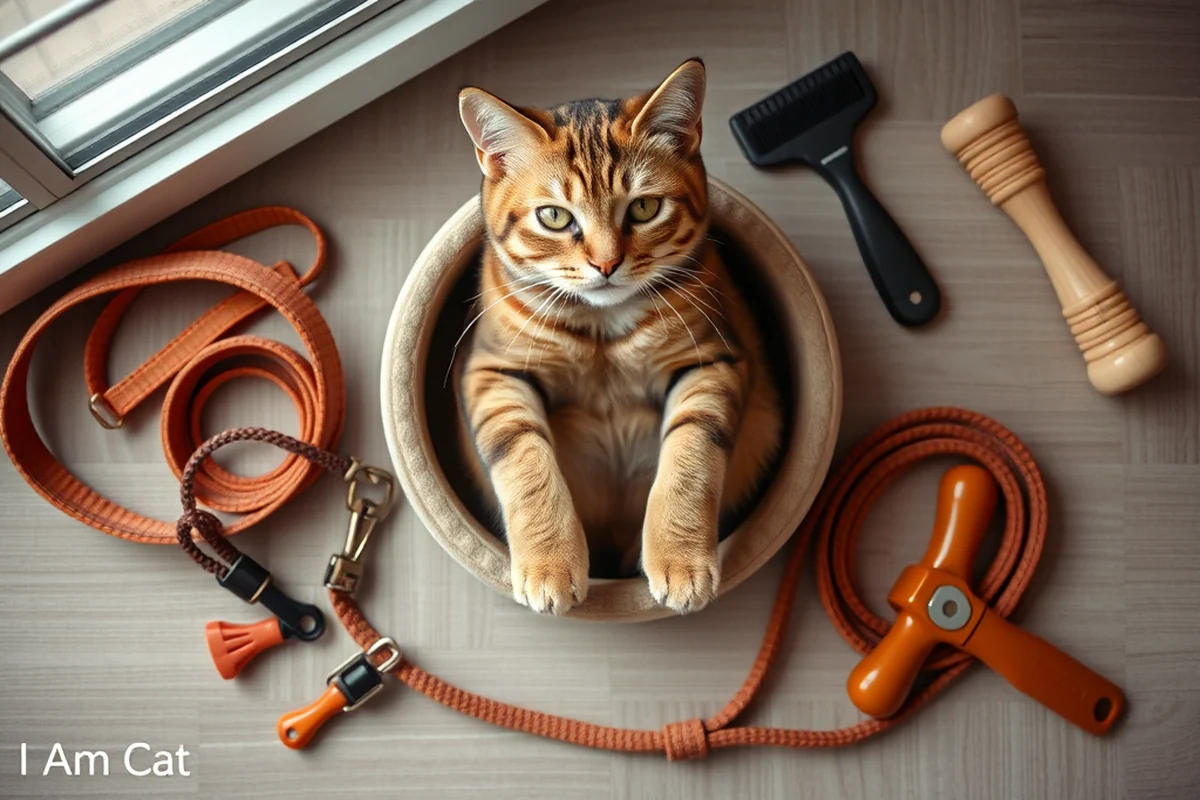
Cats typically wake up early, around 5:00 a.m., and are most active during the early morning and late evening. I used to be puzzled when Miso would wake me up at 4:30 a.m. — it turned out that this was her natural hunting time, and she was just trying to mimic the behavior of her wild ancestors. (90%, fw.ky.gov)[2]
Cats also have specific bathroom needs — they prefer to use the litter box in the same spot each time. I learned that Miso would avoid the litter box if it was moved even slightly, so it's important to keep their routine consistent. I’ve also noticed that a clean litter box is essential for a cat's comfort and hygiene.
Understanding a cat’s daily routine helps you anticipate their needs and provide them with the right amount of attention and care. I now set aside time in the morning and evening to play with Miso, and it’s made our bond even stronger.
Related: Cat in the hat
The Emotional Bond: How Cats Connect with Humans
Cats are often seen as aloof, but they have a unique way of showing affection. Miso, for example, would often curl up on my lap when I was reading or watching TV. She would purr softly and nuzzle my hand — a sign that she was content and happy to be with me. This kind of behavior is a form of emotional bonding that is often overlooked.
I’ve also noticed that cats can sense when their humans are sad or stressed. On days when I was feeling down, Miso would come over and sit on my lap, purring and rubbing against me. It was as if she was trying to comfort me. This kind of emotional connection is not just a human feeling — it’s a mutual bond that can last a lifetime.
The emotional bond between a cat and its human is not just about love — it's about trust, companionship, and the unspoken understanding that we are there for each other. This bond is what makes cats such special companions, and it's what makes I Am Cat more than just a statement — it's a way of life.
Related: What s the best cat food for senior cats
Health and Wellness: What You Need to Know
Regular checkups with a vet are essential for your cat’s health. I’ve had Miso checked annually, and each time, the vet has given her a clean bill of health. I’ve also noticed that cats can hide signs of illness, so it's important to be vigilant about any changes in behavior or appetite.
A balanced diet is also crucial for your cat's well-being. I feed Miso a high-quality kibble that is low in fillers and high in protein. I avoid giving her too many treats, and I’ve found that a consistent feeding schedule helps her maintain her weight and energy levels.
A clean living environment is also important for your cat’s health. I make sure to clean the litter box daily and change the bedding regularly. I’ve noticed that cats who live in a clean, healthy environment are less likely to get sick or develop behavioral issues.
A healthy cat is a happy cat, and a happy cat is a well-cared-for cat.
Related: What is the best cat food for senior cats
Dealing with Behavioral Issues: What to Do When Things Go Wrong
Cats can exhibit a variety of behaviors, from scratching furniture to urinating outside the litter box. I’ve had Miso scratch up my couch a few times, and it was initially frustrating. However, I learned that this was her way of marking her territory and that providing her with a scratching post helped reduce the behavior.
Urinating outside the litter box is another common issue. I once had Miso refuse to use the litter box for a few days, and I was worried that she was sick. However, after checking the litter box and finding that it was too small, I replaced it with a larger one, and the problem disappeared.
Behavioral issues in cats are often a sign that something is wrong. It could be stress, lack of stimulation, or even a medical condition. Addressing these issues early can help prevent more serious problems down the line.
🐱 Senior Cat Care
As cats age, their needs change. Senior cats may require more frequent veterinary visits, a softer bed, and a slower pace of life.
😺 Small Breed Cats
Small breeds like the Munchkin or the Singapura have unique needs, including a higher metabolism and a need for more frequent feeding.
🐾 Multi-Pet Home
Living with multiple cats requires careful planning, including separate feeding areas, multiple litter boxes, and individual attention for each cat.
💰 Budget-Friendly Care
Caring for a cat on a budget means finding cost-effective food, DIY toys, and affordable vet care when possible.
✈️ Traveling with Your Cat
Traveling with a cat requires advance planning, including finding pet-friendly accommodations and ensuring they have a familiar environment to travel in.
| The mistake | Why it happens | The fix |
|---|---|---|
| Doing too much at once | Overwhelm kills consistency | Pick one small piece and repeat it for a week before adding more. |
| Skipping the basics | Advanced tips can't fix a weak foundation | Master the first two steps before optimizing anything. |
I Am Cat
Common Questions
How can I tell if my cat is stressed?
What should I do if my cat is scratching furniture?
How often should I take my cat to the vet?
What is the best way to feed my cat?
References
Cite this guide
Quietcatyears (2026). I Am Cat. https://quietcatyears.com/i-am-cat/
Feel free to cite or share this guide.
Senior Cat Daily Water Calculator
Estimates total daily water needs for a senior cat and subtracts moisture from wet food to show bowl water.
Open it free →