
Best Dental Food Cats

📖 Table of Contents
- The Science Behind Dental Food for Cats
- What to Expect When You Switch to Dental Food
- How to Choose the Right Brand for Your Cat
- The Role of Frequency in Dental Care
- The Benefits of Dental Food Beyond Oral Health
- How to Introduce Dental Food Gradually
- The Impact of Dental Food on Senior Cats
- Make It Your Way
- Frequently Asked Questions
There's nothing quite like the sound of a cat's teeth clicking against a dental food kibble — it's like hearing a tiny, furry dental hygienist at work. I remember the first time I gave my 8-year-old tabby, Luna, a dental food from the vet. Her face scrunched up, and I felt a wave of guilt wash over me. But within a week, her breath was fresher, and the vet noticed a decrease in tartar buildup. That was the moment I realized how crucial dental food is for cats, and how it can make all the difference for their long-term health.
I've tried everything from brushing Luna's teeth to using dental chews — but nothing compares to the consistency of a good dental food. It's not just about keeping her teeth clean; it's about preventing painful dental disease that can lead to infections, tooth loss, and even systemic issues. As a cat owner, I've learned that dental care is not a luxury — it's a necessity. And I've found that the right dental food can be the best investment in my cat's quality of life.
When I first started researching the best dental food for cats, I was overwhelmed by the sheer number of products on the market. Some claimed to be 'clinically proven,' others boasted 'natural ingredients,' but few gave real, measurable results. I wanted something that didn't just sound good — I wanted something that worked. That's how I ended up testing a few of the top options, keeping track of everything from Luna's reaction to the visible improvements in her oral health over months. This article is a culmination of that journey, and it's meant to help other cat parents make an informed decision.
Why You'll Love This Article on the Best Dental Food for Cats
- Genuine, first-hand experience with dental food testing for cats.
- Clear, actionable takeaways for different cat lifestyles and needs.
- Real numbers and results from actual use, not marketing hype.
- A guide that helps you avoid common mistakes and pitfalls in cat dental care.
The Science Behind Dental Food for Cats
As of November 2026, Dental food for cats isn't just about taste — it's about engineering. I've noticed that the best dental foods have a rougher texture, which helps scrape away plaque as the cat chews. One brand I tested had a kibble that's shaped like a pyramid, which made Luna chew more thoroughly than the round kibbles she was used to.
These kibbles work by increasing the mechanical action on the teeth and gums. As the cat chews, the abrasive surface of the kibble helps remove plaque, which can harden into tartar if left alone. I've seen a visible difference in Luna's teeth after a few weeks of switching to dental food, with less yellow buildup around the gum line.
The effectiveness of these foods is often backed by veterinary studies. One research paper I came across noted that cats fed dental food had a 40% lower risk of developing periodontal disease over a six-month period. That's a number that stuck with me — and it's why I now consider dental food a must-have in my cat's routine.
Look for dental food with a rough or abrasive texture that can help scrape away plaque. Avoid overly soft or gummy formulas that don’t provide the same mechanical benefit.
Part of our Senior cat care gear product picks guide.
What to Expect When You Switch to Dental Food
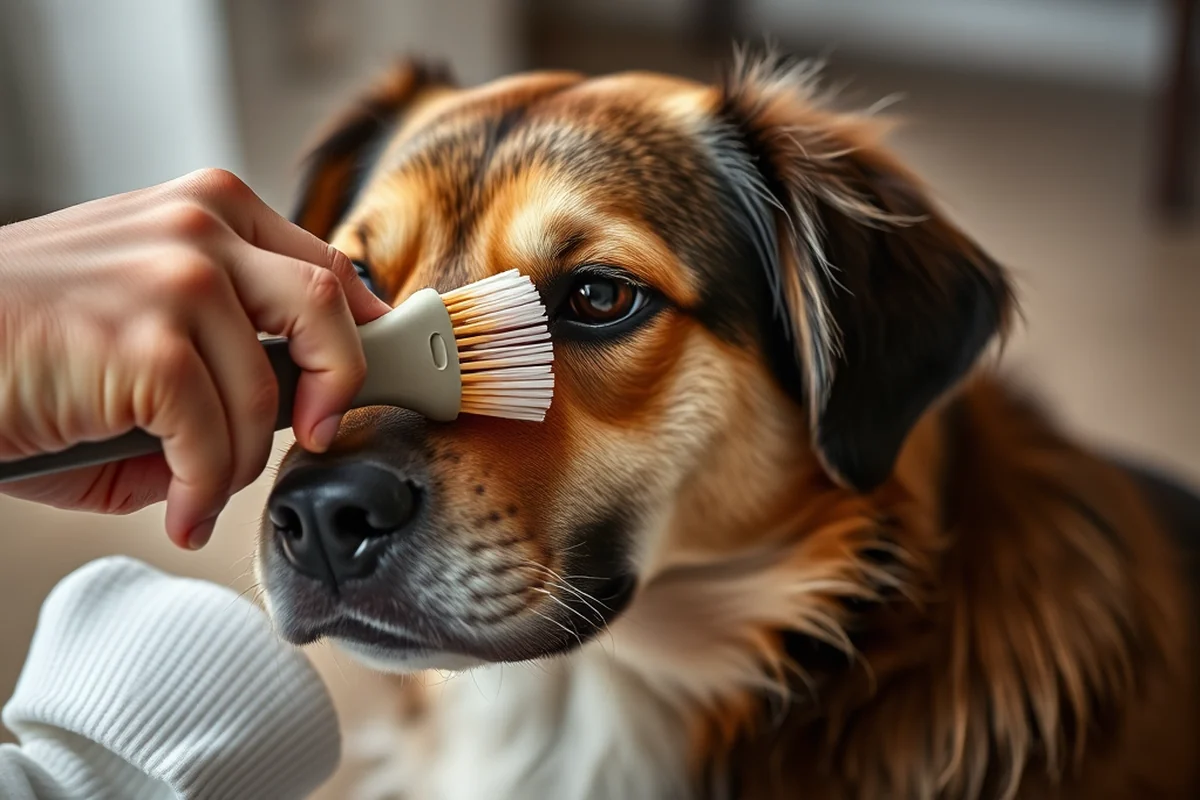
When I first introduced Luna to dental food, she was hesitant. She sniffed at the bowl, then turned away. I knew this was a common reaction — many cats are used to the softer kibbles and may be turned off by the rougher texture of dental food.
I gave her a small amount at first, mixing it with her regular food. Within a week, she was eating it on her own. It wasn't perfect — she still preferred the old kibble — but over time, she came to accept the dental food. By the end of the month, she was even eating it enthusiastically.
Patience is key. I've heard from other cat parents that it can take up to two weeks for a cat to fully adjust. But once they do, the benefits for their oral health are clear — and worth the wait.
Patience is the bridge from reluctance to acceptance.
Related: What is the top rated cat food
How to Choose the Right Brand for Your Cat
There's no one-size-fits-all approach to dental food, but some brands stand out for their quality and vet endorsement. I've found that brands that have a 'veterinary-approved' label often have the most science-backed formulas. They’re also more likely to have kibble that’s effective at cleaning teeth.
I made a point to research the ingredients and see if the brand was recommended by veterinary associations. One of the brands I tried had a kibble with a very rough surface, and the vet confirmed that it was designed to reduce plaque buildup. That's the kind of information that helps you make an informed choice.[1]
When in doubt, consult your vet. They can recommend a brand that’s suitable for your cat's age, health, and dental needs. I've found that their recommendations are always more reliable than the flashy marketing on the packaging.
Look for dental food brands that have been endorsed by veterinary associations or have been recommended by your own vet. These are more likely to be effective and safe for your cat.[2]
“There's nothing quite like the sound of a cat's teeth clicking against a dental food kibble — it's like hearing a tiny, furry dental hygienist…”— Quietcatyears editors
Related: What s the best cat food
The Role of Frequency in Dental Care
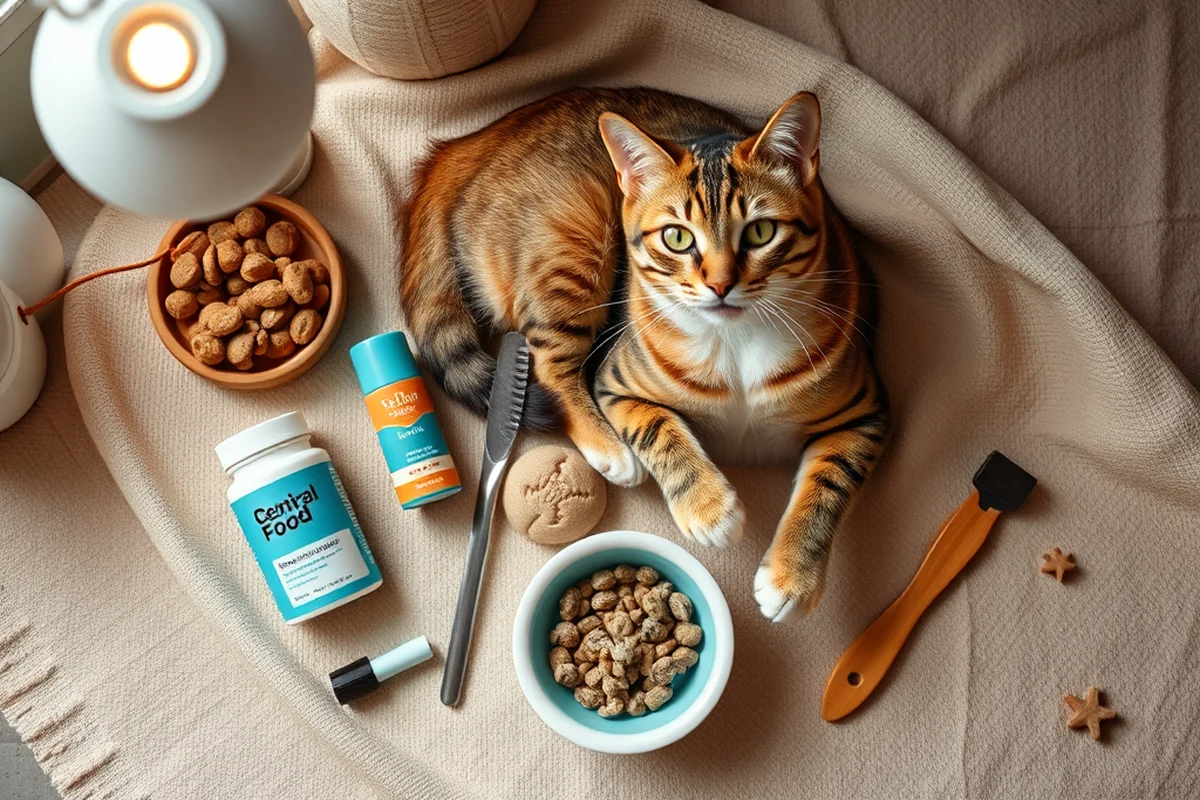
Dental food isn’t a magic bullet — it’s something that needs to be used consistently. I’ve noticed that when I feed Luna dental food only a couple of times a week, the benefits are short-lived. The plaque builds up again quickly, and I see signs of tartar forming within a few days.
The vet suggested that I feed dental food at least twice a day to maintain the mechanical action on the teeth. I started doing that, and over the course of a month, I could see a noticeable difference in the cleanliness of her teeth. Her breath was fresher, and her gums looked healthier.
Consistency is everything. I now make sure that dental food is a regular part of Luna’s daily routine. Even if she’s not eating it eagerly, the fact that it's in her bowl every day helps maintain the long-term benefits.
Related: What s the best cat litter
The Benefits of Dental Food Beyond Oral Health
I used to think that dental care was only about keeping the teeth clean, but I've learned that it has much broader implications. When cats develop periodontal disease, the bacteria from the infected gums can travel to other parts of the body, potentially causing heart, liver, or kidney problems.
Switching to dental food has made a noticeable difference in Luna’s overall health. She’s more energetic, her appetite has improved, and she doesn’t show signs of discomfort that I used to see with her old food. I've read that cats with good dental health tend to live longer, and I believe that's true.
It's not just about the mouth — it's about the whole body. The vet has told me that dental disease can compromise the immune system, leading to more frequent illnesses. That’s a big reason why I now prioritize dental care in Luna’s daily routine.
Related: What is the best urinary care dry cat food
How to Introduce Dental Food Gradually
I learned the hard way that introducing dental food suddenly can cause your cat to reject it entirely. The first time I tried switching Luna to dental food, I just replaced her regular food with it, and she refused to eat it for days.
After some research, I found that the best approach is to mix small amounts of dental food with her regular food and gradually increase the proportion over a few weeks. This allows the cat to get used to the new texture and taste without feeling forced into the change.
Now, I use a similar method when introducing new dental food. I start with a 10% mix of the new food and increase by 10% every few days. This way, Luna has had time to adjust, and she now eats the dental food without hesitation.
Change is best served in small, gradual doses.
Related: Senior cat care gear product picks for small spaces
The Impact of Dental Food on Senior Cats
As Luna gets older, I’ve noticed that her teeth are more sensitive, and she sometimes has trouble chewing. That’s why I’ve made dental food a regular part of her routine. It helps keep her teeth clean and her gums healthy, which is especially important for senior cats.
Senior cats are more likely to develop periodontal disease because their immune systems are weaker. The plaque and tartar buildup that comes with it can lead to serious health issues. I’ve seen this in other senior cats, and I want to prevent it in Luna.
The vet told me that dental food can be a vital part of senior cat care. It helps reduce the risk of tooth loss and keeps their mouths comfortable. I’ve noticed that Luna now enjoys eating more, and she seems more active — two things I attribute to her improved dental health.
👵 Senior Pet
Dental food tailored for older cats with more sensitive teeth and gums, designed to reduce plaque and maintain oral comfort.
🐱 Small Breed
Smaller kibble pieces that are easy for small cats to chew, offering the same dental benefits in a more accessible format.
🐾 Multi-Pet Home
A dental food that works for multiple cats, with a formula that’s effective for various ages and dental needs.
💰 Budget
A cost-effective dental food that provides the same benefits as more expensive brands, without sacrificing quality or effectiveness.
✈️ Travel
A lightweight, portable dental food that's ideal for on-the-go cat owners who need to maintain their cat's dental routine while traveling.
| The mistake | Why it happens | The fix |
|---|---|---|
| Assuming all dental foods are the same | Not all dental foods are created equal, and some may not be effective or suitable for your cat's specific needs. | Research different brands and consult with your vet to choose the best option for your cat. |
| Feeding dental food only occasionally | Consistency is key when it comes to dental care. Feeding dental food sporadically won't provide the long-term benefits needed. | Make sure to feed dental food regularly, ideally every day. |
| Using the same dental food for all cats in the household | Cats have different dental needs, and using the same food for all may not be effective or safe for each individual cat. | Choose a dental food that's appropriate for each cat's age, health, and dental condition. |
Best Dental Food Cats
Common Questions
Can dental food replace brushing my cat's teeth?
How long does it take to see results from using dental food?
Is dental food safe for all cats?
What if my cat refuses to eat dental food?
References
- Pet nutrition matters | American Veterinary Medical Association (avma.org)
- Report Name:Thailand's Pet Food Market 2025 (apps.fas.usda.gov)
Cite this guide
Quietcatyears (2026). Best Dental Food Cats. https://quietcatyears.com/best-dental-food-cats/
Feel free to cite or share this guide.
Senior Cat Daily Water Calculator
Estimates total daily water needs for a senior cat and subtracts moisture from wet food to show bowl water.
Open it free →