
What Is A Cat Shelter

📖 Table of Contents
- What Exactly Is a Cat Shelter?
- The Types of Cat Shelters You Can Find
- How Cat Shelters Operate on a Daily Basis
- The Role of Volunteers in Cat Shelters
- Adopting a Cat from a Shelter: What to Expect
- How to Help a Cat Shelter in Your Community
- The Impact of Cat Shelters on Animal Welfare
- Make It Your Way
- Frequently Asked Questions
I remember the first time I walked into a cat shelter. The air was thick with the scent of litter and the soft mewing of kittens echoing through the halls. It was a place where I felt both overwhelmed and deeply moved, a space where stories of abandonment and hope intertwined. A cat shelter is more than just a building; it's a sanctuary for cats in need and a second chance for those ready to find a home.
What is a cat shelter? It’s a place where cats are temporarily housed, cared for, and prepared for adoption. These shelters come in different forms — some are no-kill, some are open-admission, and others specialize in rescuing stray or feral cats. I've walked through the doors of several. Each one offered something unique, from the quiet comfort of a foster home to the bustling energy of a city shelter filled with cats waiting for their forever families.[1]
I’ve spent time volunteering at shelters, and what struck me most was the diversity of cats I met — from young kittens to elderly companions, and from shy strays to outgoing social butterflies. A cat shelter is a place where every cat is given a voice, and every person who steps inside becomes part of a story that’s about second chances, healing, and love. Understanding what a cat shelter is can be the first step toward making a difference in the lives of these amazing creatures.
Why You'll Love This Guide to Cat Shelters
- Discover the real purpose of cat shelters and how they work
- Learn how to choose the right shelter for your cat or yourself
- Get practical tips for volunteering or adopting
- Understand the impact of sheltering and how you can help
What Exactly Is a Cat Shelter?
As of November 2026, a cat shelter operates with the goal of giving cats a second chance at life. These facilities often take in stray, lost, or surrendered cats, and they provide them with shelter, food, and basic veterinary care until they can be adopted. In my experience, the most successful shelters are the ones that offer a full range of services, from spay/neuter programs to behavioral assessments.
I’ve visited shelters that specialize in feral cat management, where the focus is on trapping, neutering, and returning cats to their colonies. Others are more traditional, with adoption events, volunteer opportunities, and even educational programs for the public. Understanding the different types of shelters can help you determine which one is the best fit for your needs or those of your cat.
It’s important to remember that not all shelters have the same approach. Some may be no-kill, meaning they do not euthanize healthy or treatable animals, while others may have limited resources and be forced to make difficult choices. When I first started volunteering, I learned that the most important thing is to find a shelter that aligns with your values and the needs of the cat.
Research local shelters and read reviews from other adopters. Visit in person if possible, and ask about their policies and practices.[2]
Part of our Senior cat care guide.
The Types of Cat Shelters You Can Find
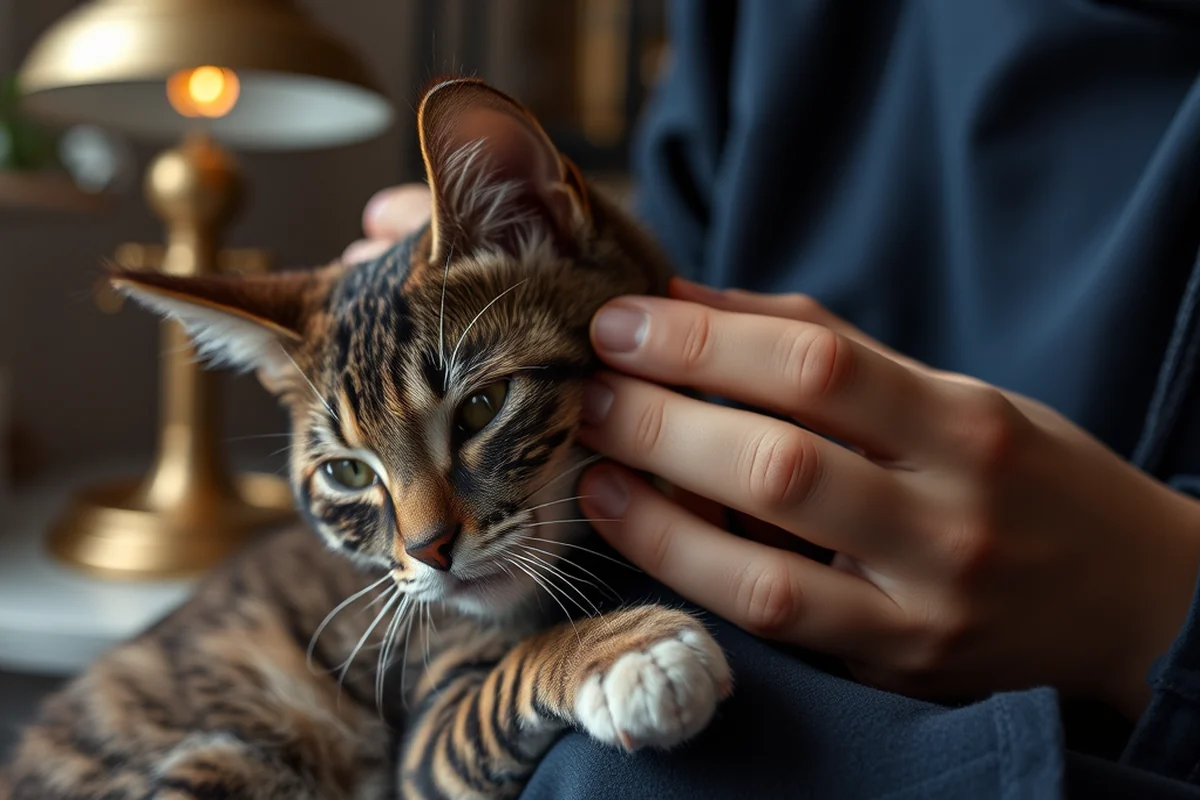
There are several different types of cat shelters. No-kill shelters focus on saving as many cats as possible, while open-admission shelters accept any cat, regardless of health or behavior. Rescue organizations may operate mobile shelters or focus on specific types of cats, like seniors or kittens.
In my experience, the most effective shelters often have partnerships with local veterinarians, foster families, and adoption events. These collaborations can significantly increase a cat’s chances of finding a home. For example, I once visited a shelter that had a mobile unit that would go to local parks to find lost cats — a very effective approach.
It’s also important to consider the size of the shelter. Some are large and well-funded, while others are small and community-run. Each has its own strengths and limitations, and understanding these differences can help you find the best fit for your needs.
A shelter’s mission often defines its success — the more focused, the better.
Related: Cat in the hat movie
How Cat Shelters Operate on a Daily Basis
On a typical day at a cat shelter, staff and volunteers clean enclosures, feed cats, and check on their health. I’ve spent hours volunteering, and I can tell you that the daily routine is both rigorous and rewarding. Cats are often fed twice a day, and their enclosures are cleaned regularly to maintain hygiene.
Medical care is a critical component of shelter operations. Cats receive vaccinations, deworming, and treatment for any injuries or illnesses. I once helped care for a cat with a severe infection, and the shelter’s vet team worked tirelessly to get him well enough for adoption. Their dedication made all the difference.
In addition to medical care, shelters often provide behavioral assessments to help potential adopters find the right match. I’ve seen how these assessments can help identify a cat’s personality and needs, making the adoption process more successful for both the cat and the person.
Shelters are busiest in the morning and afternoon, so plan your visit around these times if you're looking to adopt or volunteer.
“I remember the first time I walked into a cat shelter.”— Quietcatyears editors
Related: What is kitty corner
The Role of Volunteers in Cat Shelters
Volunteers are the heart of most cat shelters. They help with feeding, cleaning, socializing, and even basic medical care. In my own experience, volunteering was both challenging and rewarding. I once helped socialize a shy cat that was terrified of people — over time, we built a bond that made it easier for her to be adopted.
Volunteers also play a key role in adoption events, where they help match cats with potential adopters. I’ve watched as volunteers explained a cat’s personality and needs to interested applicants, helping them make an informed decision. This kind of support can make all the difference in finding the right home for a cat.
Many shelters offer training programs for volunteers, ensuring they know how to handle different types of cats and situations. I took a course on feline behavior, and it gave me the confidence to handle even the most challenging cats. The shelter community is often very supportive and welcoming to new volunteers.
Related: Best indoor cats for seniors
Adopting a Cat from a Shelter: What to Expect
Adopting a cat from a shelter is a journey that begins with meeting the cat and learning about their history. I’ve adopted two cats from shelters, and both have become part of my family. The process involves filling out an application, meeting with a staff member, and spending time with the cat to see if they’re a good match.
Shelters often provide a variety of cats, from kittens to seniors, and from shy cats to highly social ones. I once adopted a senior cat who had lived in a shelter for years — the first time I met her, I was struck by how gentle and loving she was. She’s been with me for over five years now.
Adoption fees vary, but they often cover the cost of vaccinations, spaying/neutering, and microchipping. Some shelters even offer reduced fees for senior citizens or low-income families. In my experience, the cost is well worth it when you consider the joy and companionship that a shelter cat can bring into your life.
Related: Best dry cat food for senior cats
How to Help a Cat Shelter in Your Community
If you’re interested in helping a cat shelter, there are a variety of ways to get involved. Volunteering is one of the most impactful, but even if you can’t commit time, you can still help by donating supplies or money. I once donated old cat toys and blankets, and the shelter staff was so grateful for the extra help.
Another way to support shelters is by promoting them on social media or through word of mouth. I’ve shared stories of cats waiting for adoption on my blog, and I’ve seen how that can lead to more adoptions. Every cat deserves a chance at a happy life, and helping to spread the word can make a real difference.
You can also help by fostering cats temporarily, giving them a safe home while they wait for adoption. I’ve fostered a few cats over the years, and it was a rewarding experience that helped them become more adoptable. Fostering is a great way to make an impact, even if you can’t adopt full-time.
Every little bit helps — from a donation to a visit.
Related: Cat food for senior cats
The Impact of Cat Shelters on Animal Welfare
Cat shelters have a significant impact on animal welfare by providing care and a chance at adoption for cats who would otherwise be euthanized. I’ve seen the difference that a shelter can make in the life of a cat, and it’s truly remarkable. Many shelters have reduced euthanasia rates by focusing on adoption, education, and community support.
In recent years, there has been a growing movement toward no-kill shelters, where the goal is to save every healthy and treatable cat. I once visited a shelter that had a 95% adoption rate — a testament to the effectiveness of their programs and the dedication of their staff and volunteers.
By supporting cat shelters, you’re helping to create a world where every cat has a chance at a loving home. Whether you’re volunteering, donating, or simply spreading the word, your efforts can make a real difference in the lives of these amazing animals.
👵 Senior Cat Sheltering
Shelters with programs for senior cats, who often have different needs and require more patience and care.
🐱 Small Breed Rescue
Shelters that specialize in small cat breeds, offering tailored care and adoption support for their unique needs.
🐾 Multi-Pet Home Adoption
Shelters that focus on matching cats with homes that already have other pets, helping to create a harmonious multi-pet environment.
💰 Budget-Friendly Shelters
Shelters that offer low-cost adoption fees, making it easier for people on a tight budget to bring a cat home.
✈️ Travel-Friendly Adoption
Shelters that assist adopters in relocating cats to new homes, especially for those who are moving or traveling.
| The mistake | Why it happens | The fix |
|---|---|---|
| Assuming all shelters are the same. | Different shelters have different missions, capacities, and adoption policies, so it's important to research and visit before committing. | Visit multiple shelters, read reviews, and ask questions to find one that aligns with your values and needs. |
| Not preparing for the long-term commitment of adoption. | Adopting a cat is a lifelong commitment, and not all cats are suited for every home. Some may need special care or have behavioral issues. | Take the time to learn about the cat’s history and personality, and ensure you’re prepared to provide a safe and loving home for the long term. |
| Ignoring the importance of spaying/neutering. | Spaying and neutering are essential for preventing overpopulation and reducing the number of stray cats. | Always ensure your adopted cat is spayed or neutered, and support shelters that offer this service as part of their adoption process. |
| Overlooking the need for behavioral assessments. | Not all cats are social or easy to handle, and behavioral assessments can help ensure a good match between the cat and the adopter. | Ask the shelter about behavioral assessments and take time to meet the cat in person to see if they’re a good fit for your lifestyle. |
What Is A Cat Shelter
Common Questions
How do I find a cat shelter near me?
What happens if I can't adopt a cat immediately?
Can I meet a cat before adopting?
Are all cats in shelters healthy?
References
- Pet Emergency Plan and Disaster Preparedness (chi.gov)
- Walker County Animal Shelter Walker County, GA (walkercountyga.gov)
Cite this guide
Quietcatyears (2026). What Is A Cat Shelter. https://quietcatyears.com/what-is-a-cat-shelter/
Feel free to cite or share this guide.
Senior Cat Daily Water Calculator
Estimates total daily water needs for a senior cat and subtracts moisture from wet food to show bowl water.
Open it free →