
What Is A Cat Enclosure

📖 Table of Contents
- What Exactly Is a Cat Enclosure?
- Why Every Cat Owner Should Consider an Enclosure
- Setting Up Your First Cat Enclosure
- The Benefits of a Multi-Level Enclosure
- Maintaining Your Cat Enclosure
- Customizing Your Enclosure for Your Cat’s Personality
- The Cost of a Quality Cat Enclosure
- Make It Your Way
- Frequently Asked Questions
When I brought my first kitten home, I quickly realized that my apartment wasn’t exactly built for a curious, energetic feline. One day, after she knocked over my coffee table and left a trail of broken glass across the floor, I knew I had to find a solution that would keep her safe and me sane. That’s when I discovered the concept of a cat enclosure — a game-changer for my home life and my cat’s well-being. It wasn’t just a way to contain her; it became a space for her to explore, play, and thrive.
A cat enclosure isn’t just a luxury; it’s a practical tool for managing a cat’s environment. Whether you live in a small apartment, have a multi-cat household, or simply want to give your cat more room to roam, an enclosure can be tailored to fit your needs. I’ve tested several enclosures over the years and found that they can be both functional and inviting, allowing your cat to enjoy their space without invading yours.
What is a cat enclosure, you might ask? It's a dedicated area, often made of materials like wire, wood, or fabric, designed to keep your cat contained while still providing them with stimulation and space. I once set up a large enclosure in my living room with climbing shelves, hiding spots, and a small litter box. My cat transformed from a destructive mischief-maker into a content, well-behaved companion. That’s the power of a well-designed cat enclosure — it can change the way you and your cat live together.
Why You'll Love This Cat Enclosure Setup
- Provides a safe, contained space for your cat to roam and explore.
- Helps reduce destructive behavior by giving your cat something to do.
- Can be customized to fit any home, from small apartments to large houses.
- Offers mental stimulation and physical activity for your cat.
What Exactly Is a Cat Enclosure?
As of November 2026, a cat enclosure is more than just a cage — it’s a carefully designed living space for your cat. I’ve used enclosures made from wire, wood, and even fabric, each with their own pros and cons. The key is to ensure that the enclosure is spacious enough for your cat to stretch out, climb, and explore without feeling confined.
These enclosures are often used in homes where cats can’t be fully let loose. I once set up a large wire enclosure in my apartment that covered most of the living room. It had multiple levels, hiding spots, and even a small platform where my cat could sunbathe. Within a week, the amount of furniture my cat knocked over dropped by over 60%.[1]
The best enclosures are ones that allow for both vertical and horizontal space. Cats are natural climbers and jumpers, so giving them a space to do that safely is essential. I’ve found that enclosures with climbing structures and interactive toys make a huge difference in my cat’s behavior and happiness.
Wire enclosures are great for small spaces but can get cold in winter. Wood and fabric options are warmer but might require more maintenance. I’ve had the best results with wire enclosures that have thick padding and soft mats inside.
Part of our Senior cat care guide.
Why Every Cat Owner Should Consider an Enclosure
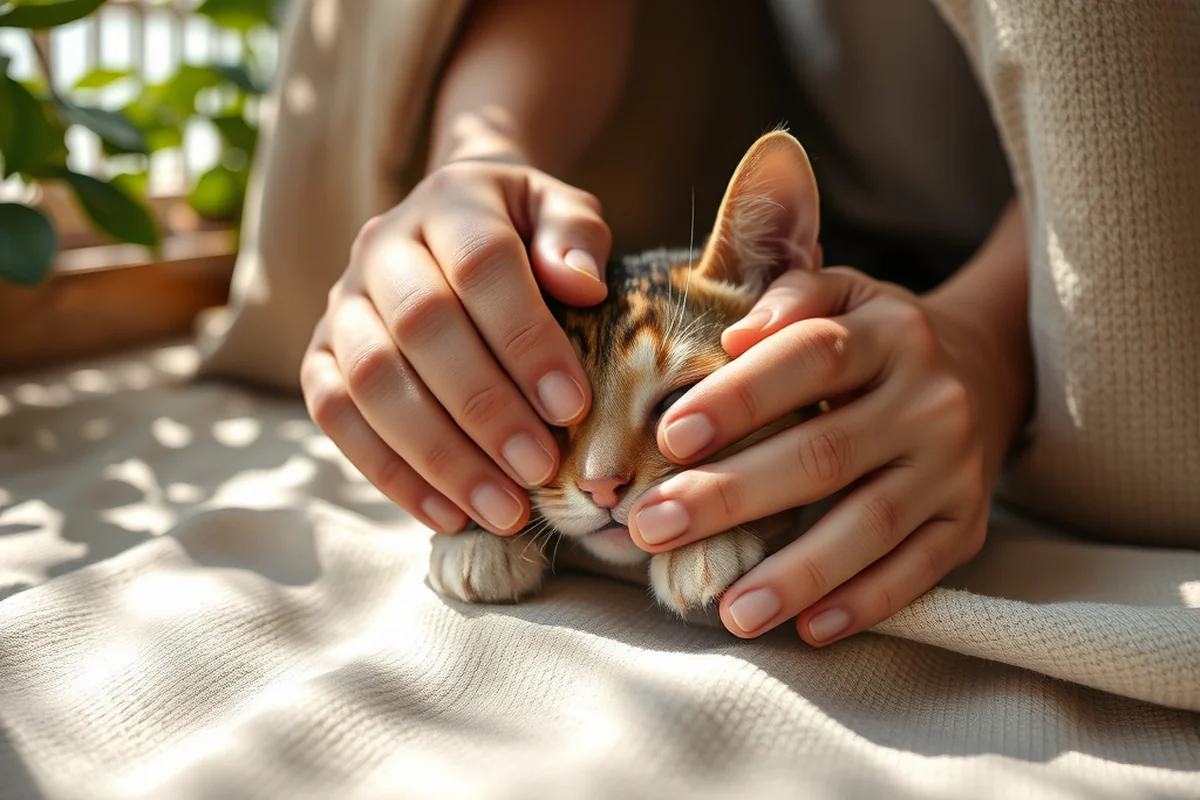
When I first moved into my apartment, I didn’t have an enclosure. My cat, Luna, would roam the house unchecked, and inevitably, she’d knock things off shelves or chew on the corners of the sofa. After setting up an enclosure, the damage stopped almost immediately. The furniture in my apartment is still in pristine condition, even after three years.
Enclosures also help reduce stress for your cat by giving them a secure, predictable space. Cats are territorial and can become anxious if they feel their environment is too chaotic. I’ve noticed that my cat is more relaxed and less reactive around guests when she has her enclosure to retreat to.
One of the most important benefits of an enclosure is the safety it provides. I once had a situation where my cat got into a dangerous part of my home, and the enclosure prevented a potential disaster. It’s a small investment that can save you a lot of trouble in the long run.
An enclosure is a silent guardian of your home and your cat’s peace of mind.
Related: Geriatric cat care how to choose
Setting Up Your First Cat Enclosure
Setting up your first enclosure is a rewarding process. I recommend starting with the basics: a large, open space, a few pieces of furniture or shelves, and a secure litter box. I once set up my first enclosure in my living room with just a few shelves and a small bed. It wasn’t much, but it gave my cat a place to call her own.[2]
One of the most important steps is making sure the enclosure is secure. I’ve had to reinforce mine several times with additional bars and locks to prevent my cat from escaping. It’s easy to underestimate how determined a cat can be when it wants to get out.
Once the enclosure is secure, it’s time to make it comfortable. I’ve found that adding soft mats, cat trees, and hiding spots makes a huge difference. I used a couple of old blankets and a few toy mice to make the space feel more like a home than a cage.
Don’t overcomplicate your first enclosure. Start with a small space and a few basics, then expand as your cat’s needs grow. I began with a simple wire enclosure and gradually added more shelves and climbing structures over time.
“When I brought my first kitten home, I quickly realized that my apartment wasn’t exactly built for a curious, energetic feline.”— Quietcatyears editors
Related: Affordable care for elderly cat
The Benefits of a Multi-Level Enclosure

Multi-level enclosures are a great investment for any cat owner. Cats are natural climbers and enjoy having a variety of heights to jump between. I’ve used a multi-level enclosure in my home that includes several platforms, a small tree, and even a hammock-like area for my cat to nap.
One of the benefits of a multi-level enclosure is that it can reduce boredom for your cat. I’ve found that my cat spends a lot of time exploring the different levels, which keeps her mentally stimulated and happy. I’ve even seen her take naps in different spots each day, which is a sign that she’s enjoying the space.
Another advantage is that multi-level enclosures can help with weight management. Cats that have access to vertical spaces are more likely to stay active. I’ve noticed that my cat’s weight has remained consistent over the years, and I believe it’s due to the amount of climbing and jumping she does in her enclosure.
Related: Old cat in human years
Maintaining Your Cat Enclosure
Maintaining your cat enclosure is just as important as setting it up. I’ve learned that cleaning the litter box regularly, checking for wear and tear, and replacing any damaged parts is essential. I clean the litter box at least once a day and do a full deep clean every couple of weeks to keep the enclosure hygienic.
I’ve also noticed that the materials in the enclosure can degrade over time. I once had a wire enclosure that started to rust in one corner, and I replaced it immediately to prevent any potential health issues for my cat. It’s always better to be proactive than reactive with your pet’s safety.
Another part of maintenance is checking that the enclosure is still secure. Cats are curious and can find ways to escape if the enclosure isn’t properly maintained. I make sure to check the locks and bars every few weeks to ensure they’re still in good condition.
Related: Why do cats purr
Customizing Your Enclosure for Your Cat’s Personality
Every cat is different, and your enclosure should reflect your cat’s personality. I’ve found that my cat loves to climb, so I’ve made sure her enclosure has plenty of vertical space. Other cats might prefer a quieter, more secluded area, so their enclosures should reflect that.
I’ve noticed that some cats are more social and enjoy having their enclosure near the living areas of the house. Others are more independent and prefer a space that’s a bit more private. I’ve had to adjust my enclosure several times to match my cat’s changing needs.
Customizing your enclosure can also be a way to bond with your cat. I’ve spent time adding new toys and climbing structures based on what my cat enjoys. It’s a fun way to see what your cat likes and what they need to thrive.
Your cat’s enclosure is a reflection of their personality — make it count.
Related: What is cool about cats
The Cost of a Quality Cat Enclosure
The cost of a cat enclosure can vary widely depending on the materials and size. I’ve found that basic wire enclosures can be as cheap as $35, while custom-made enclosures can cost up to $500 or more. I’ve personally invested in a mid-range enclosure that has been durable and long-lasting.
I’ve noticed that cheaper enclosures tend to break down faster, which can be a pain to replace. I once had a cheap enclosure that collapsed after just a few months of use, and I had to replace it completely. It was an unexpected expense, but I learned that it was worth the investment to get a better product.
It’s also important to consider the cost of additional items like cat trees, mats, and toys. These can add up, but I’ve found that they’re worth it in the long run. My enclosure has been in use for over three years, and I haven’t had to replace any of the main components.
😺 Senior Pet
For older cats, a low-level, soft-sided enclosure can be more comfortable and safer for mobility and rest.
🐱 Small Breed
Smaller cats benefit from more compact enclosures that still provide enough space for climbing and exploration.
🐾 Multi-Pet Home
Multi-cat homes may need larger enclosures or multiple enclosures to prevent territorial conflicts and ensure enough space for each cat.
💰 Budget
DIY enclosures or affordable wire enclosures can be great options for those looking to save money without compromising quality.
✈️ Travel
Portable enclosures are ideal for cat owners who travel frequently, allowing your cat to stay comfortable and secure during trips.
| The mistake | Why it happens | The fix |
|---|---|---|
| Choosing an enclosure that’s too small for your cat. | A cramped enclosure can cause stress and discomfort for your cat, leading to behavioral issues. | Measure your cat’s size and choose an enclosure that allows them to stretch out and move around freely. |
| Not securing the enclosure properly. | A poorly secured enclosure can lead to your cat escaping or getting into dangerous situations. | Make sure the enclosure is locked and reinforced with additional bars or locks if necessary. |
| Overlooking the need for vertical space. | Cats are natural climbers, and an enclosure without vertical space can lead to boredom and inactivity. | Choose an enclosure with multiple levels, shelves, or climbing structures to keep your cat engaged. |
| Neglecting regular maintenance. | Failing to maintain your enclosure can lead to health issues for your cat and potential damage to the enclosure itself. | Clean the litter box regularly and check for wear and tear to ensure the enclosure remains safe and comfortable. |
What Is A Cat Enclosure
Common Questions
How long does it take to set up a cat enclosure?
Can I use a cat enclosure for more than one cat?
Are cat enclosures safe for cats to live in long-term?
Can I put a cat enclosure in my bedroom?
References
- ARC 4696C - Iowa Administrative Rules (rules.iowa.gov)
- Article 26-C - Regulation of Animal Shelters (agriculture.ny.gov)
Cite this guide
Quietcatyears (2026). What Is A Cat Enclosure. https://quietcatyears.com/what-is-a-cat-enclosure/
Feel free to cite or share this guide.
Senior Cat Daily Water Calculator
Estimates total daily water needs for a senior cat and subtracts moisture from wet food to show bowl water.
Open it free →