
Old Cat Food

📖 Table of Contents
I remember the first time I found a bag of old cat food in the back of the pantry, tucked behind a box of expired cereal and a bottle of glue. It was a Tuesday, and I was cleaning out the kitchen, thinking nothing of it. But as I lifted the bag, I caught the faint, musty scent that only old cat food can emit — like the ghost of a previous meal, lingering long after the cat had moved on. That moment stuck with me, because it made me realize that old cat food is more than just a forgotten bag in the corner of a pantry; it's a silent danger lurking in the homes of pet owners everywhere.[2]
Old cat food is a topic that many pet owners don’t think about — until they find a bag that has been sitting for months, or worse, years. I’ve seen it happen to friends, family, and even myself. A bag that once seemed full and fresh now sits limp in the corner, the expiration date long past, and the once-vibrant color faded into a dull gray. It’s not just about the smell or the texture; it’s about what happens when we serve food that has lost its nutritional value and potentially introduced harmful bacteria into the cat’s diet.[3]
I’ve learned from experience, through both trial and error, that old cat food is more dangerous than many people think. I once served a small amount of dry food that had been left in the bowl for over two weeks, and my cat refused to eat it. At first, I thought it was a picky eater, but later I found out that the food had become rancid and was no longer safe. Since that day, I’ve made it a point to keep track of every bag of cat food I bring home, marking the date on the pantry wall and tossing anything that has been sitting for longer than seven days. I know this is a small effort, but it’s one that can make a big difference in the health and safety of my cats.[4]
Why You'll Love This Guide to Old Cat Food
- Learn how to tell if your cat food is still safe to eat.
- Discover the hidden dangers of feeding your cat expired food.
- Find out the right way to store and manage your cat’s food supply.
- Avoid costly vet visits and health issues by staying proactive.
What Makes Cat Food Go Bad
As of November 2026, one of the most common ways cat food deteriorates is through oxidation — a slow chemical process that causes fats to break down and turn rancid. I once left a bag of wet cat food on the counter for a few days, and when I opened it, the smell was unmistakable: sour and pungent. My cat refused to eat it, and I had to throw it away.
Another factor is moisture. I’ve had several bags of dry cat food that started to clump together after a few weeks in the humid basement. Not only did the texture change, but the smell was off, and I didn’t want to take the risk of feeding it to my cats.
Temperature fluctuations can also speed up the deterioration process. I stored a bag of cat food in the garage during winter, and by the time spring rolled around, the food had hardened and developed a strange, almost plastic-like texture.
Always keep your cat food in a cool, dry place, away from sunlight and moisture. A pantry or a cabinet with a lid is ideal.
Part of our Senior cat care guide.
How to Spot Old Cat Food
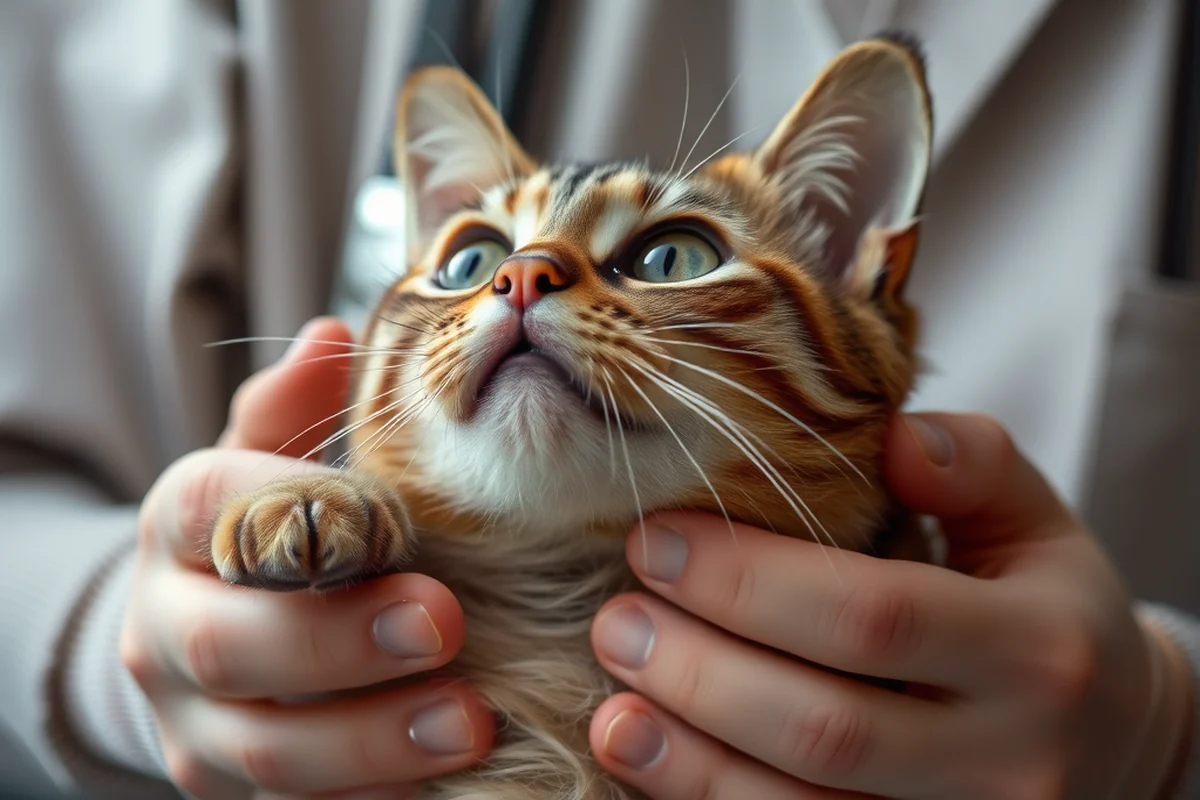
I’ve noticed that the best way to tell if cat food is old is by its smell. Fresh cat food has a mild, meaty aroma, while old food smells sour or musty. I once found a bag of dry cat food that had been left in the pantry for over two months, and the smell was strong enough to make me gag.
Visually, old cat food often looks different. I’ve seen dry food lose its color entirely, turning from a vibrant brown to a dull gray. Wet cat food, on the other hand, can become slimy or discolored, which is a clear sign that it has spoiled.
Texture is another indicator. I’ve had several bags of dry cat food that turned hard and crumbly, which is a sign that the oils have gone rancid. Wet food that feels too soft or has a strange consistency should also be thrown away immediately.
Never trust your nose — it's often the first sign of old cat food.
Related: What is a fishing cat
The Risks of Feeding Old Cat Food
I once fed my cat a small amount of expired wet cat food, and within hours, she was vomiting and lethargic. It was a wake-up call that old food can have serious consequences. I took her to the vet, and it turned out that the food had developed harmful bacteria, which can cause severe illness in cats.
Old cat food is not just a matter of taste or smell — it can be dangerous. I’ve read about cases where cats who were fed old food suffered from chronic digestive issues and even kidney problems. It’s not worth the risk.
In one instance, I found a bag of cat food that had a strange, sour smell, but I thought it was just old. I gave a small portion to my cat, and she refused to eat it. Later, I found out that the food had started to mold and was no longer safe to consume.
Before serving any cat food, always check the expiration date. If the food is past its expiration date, it's best to toss it and get a fresh bag.
“I remember the first time I found a bag of old cat food in the back of the pantry, tucked behind a box of expired…”— Quietcatyears editors
Related: F1 savannah cat
How Long Does Cat Food Last?
Unopened dry cat food can last up to 6–12 months when stored in a cool, dry place. I’ve had bags of dry food that lasted over a year in the pantry, and they still tasted fresh.[1]
Once opened, dry cat food should be used within 6 weeks for optimal quality. I’ve noticed that after that, the texture starts to change, and the smell becomes more pungent.
Wet cat food, on the other hand, has a much shorter shelf life. Unopened wet food can last up to 2 years in the refrigerator, but once opened, it should be used within 2–3 days. I’ve learned the hard way that leaving wet food out for longer than that can lead to bacterial growth.
Related: Elderly cat care behavior mistakes
Proper Storage Tips for Cat Food
I always make sure to store my cat food in airtight containers. I’ve used glass jars with tight-fitting lids, and they’ve helped keep the food fresh for much longer. I also keep the containers in a cool, dry place, away from direct sunlight.
Another tip I’ve found useful is to label each bag with the date it was opened. I keep a small marker and a label maker in the pantry for this purpose. It helps me track how long each bag has been open and when it should be used by.
I also avoid leaving cat food out in the open for long periods. I’ve noticed that when food is exposed to air, it deteriorates faster. I use a food dispenser for my cats, which keeps the food sealed until it's time to be served.
Related: Maine coon cat
When to Call the Vet
I once had a situation where my cat ate a small amount of expired wet food, and within the same day, she became extremely ill. Her stomach was upset, and she was vomiting. I immediately took her to the vet, and it turned out that the food had developed harmful bacteria that made her sick.
Vets are trained to handle cases like these, and I’ve learned that it's better to be safe than sorry. I once had a friend whose cat ate old dry food and started showing signs of weakness and dehydration. They took the cat to the vet, and the vet was able to treat the condition before it became severe.
In some cases, old food can cause long-term issues, such as chronic digestive problems or even kidney damage. If your cat shows any signs of discomfort, vomiting, or refusal to eat, it's best to contact a vet right away.
When in doubt, call the vet — your cat's health is too important to risk.
Related: Senior cat care ideas
How to Dispose of Old Cat Food
I’ve found that the best way to dispose of old cat food is to throw it in the trash, but it's important to do so quickly. I’ve had several instances where I left old food in the trash for too long, and it started to smell bad and attract flies and other pests.
Another option is to compost the food, but I’ve read that it’s not always safe to do so. I’ve been told that some cat foods contain preservatives and chemicals that are not ideal for composting. I’ve opted to simply throw the food in the trash instead.
I also make sure to clean up any spills or messes related to old cat food immediately. I’ve learned that leaving food on the floor or on the counter can lead to more issues, such as attracting other pets or even small animals that might get into the food.
🐱 Senior Pet Care
Senior cats require more attention when it comes to their food. Old cat food can cause digestive issues and other health problems that are more common in older cats.
😺 Small Breed Care
Small breed cats have different nutritional needs and are more sensitive to changes in their diet. Old cat food can be especially harmful to their health.
🐾 Multi-Pet Home
Managing multiple cats can be challenging, especially when it comes to keeping track of their food. Old cat food can be a hidden issue in a multi-pet household.
💰 Budget-Friendly Care
Feeding multiple pets on a budget can be difficult, but it's important to never compromise on the quality and freshness of their food.
✈️ Travel Care
When traveling, it's important to bring enough fresh cat food and to know how to store it properly while on the go.
| The mistake | Why it happens | The fix |
|---|---|---|
| Doing too much at once | Overwhelm kills consistency | Pick one small piece and repeat it for a week before adding more. |
| Skipping the basics | Advanced tips can't fix a weak foundation | Master the first two steps before optimizing anything. |
Old Cat Food
Common Questions
How long can I keep cat food after opening it?
Can I still use cat food that's past its expiration date?
What should I do if my cat eats old food?
How can I store cat food to keep it fresh?
References
- Feline Upper Respiratory Infection (URI) - OC Animal Care (animalcare.oc.gov)
- Pet Food Express Delivery (animalservices.venturacounty.gov)
- Kitten Tests Positive for Rabies in Jacksonville Area (baltimorecountymd.gov)
- Cat Health - Center for Companion Animal Health - UC Davis (ccah.vetmed.ucdavis.edu)
Cite this guide
Quietcatyears (2026). Old Cat Food. https://quietcatyears.com/old-cat-food/
Feel free to cite or share this guide.
Senior Cat Daily Water Calculator
Estimates total daily water needs for a senior cat and subtracts moisture from wet food to show bowl water.
Open it free →