
Elderly Cat Care Behavior Mistakes
📖 Table of Contents
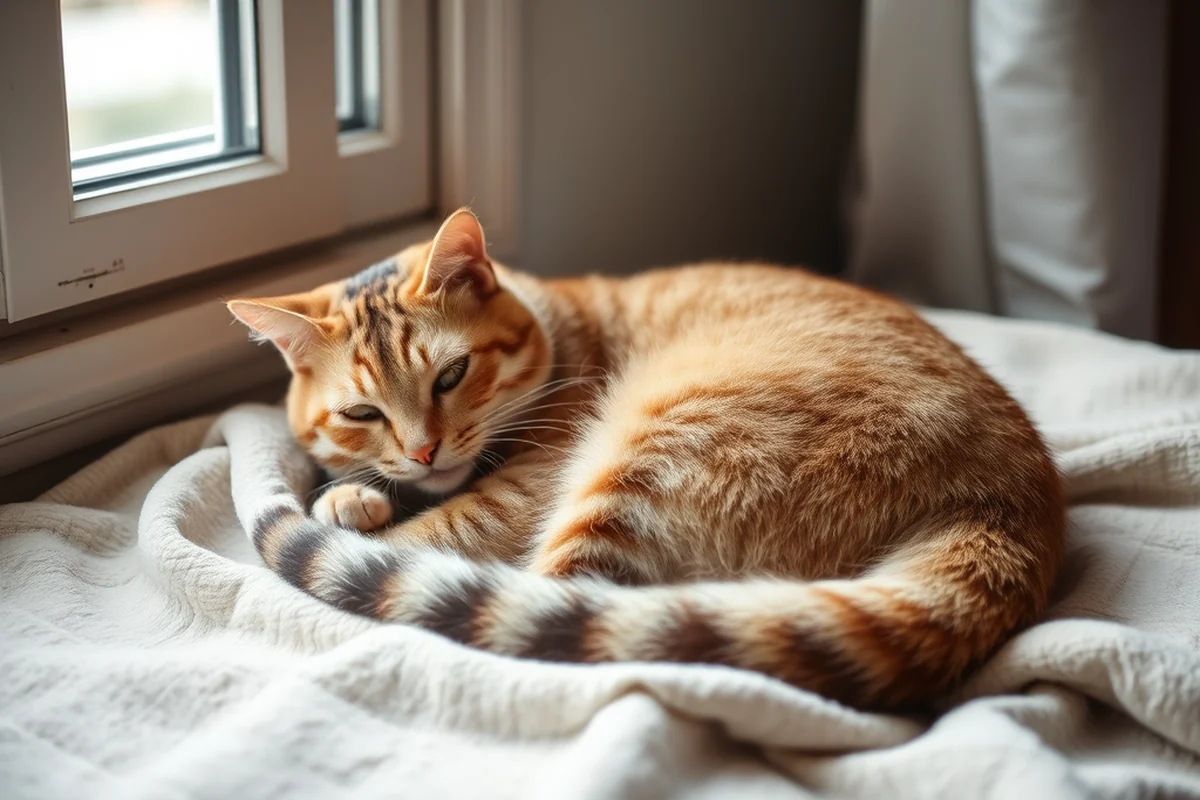
I remember the first time my 17-year-old cat, Miso, refused to use the litter box. I was frantic, assuming the worst—something was wrong with her. But after a few days of observing her behavior, I realized she was simply confused by the new litter I had switched to. That moment taught me how easy it is to make a mistake in elderly cat care behavior, and how important it is to approach these changes with patience and understanding.[1]
Elderly cats are like ancient books—they have stories, habits, and quirks that can shift with time. As I’ve learned through years of caring for multiple senior cats, their behaviors can change in subtle but significant ways. Whether it’s a sudden aversion to their favorite spot in the house or a decline in grooming habits, these changes are not always signs of illness. Often reflections of the natural aging process.[2]
I’ve made my share of mistakes when it came to elderly cat care behavior, and I’ve learned from them. One of the hardest lessons was realizing how easily I overlooked the importance of routine. Elderly cats thrive on consistency, and even small disruptions can lead to confusion or distress. I now approach their care with a methodical, compassionate mindset, and I hope this article will help you avoid the same missteps I once made.[3]
Why You'll Love This Article
- Gain actionable knowledge to support your aging cat’s behavior and well-being.
- Avoid common pitfalls that can lead to unnecessary stress for your cat.
- Learn to interpret subtle changes in behavior that may indicate health or emotional needs.
- Discover how small, thoughtful adjustments can make a big difference in your cat's quality of life.
The Importance of Routine in Elderly Cat Care
As of October 2026, when I moved my cat, Miso, to a new home, I didn’t realize how important her routine was until she started refusing to eat and hiding for hours. After adjusting her feeding and sleeping times to match her old schedule, she gradually returned to her normal self.[4]
Elderly cats often experience confusion or anxiety when their daily rhythm is disrupted. For example, changing the location of their food bowl or switching to a new brand of cat food can cause them to lose interest in eating.
Establishing a consistent schedule for feeding, grooming, and playtime can help your cat feel more secure. I now set alarms on my phone to ensure I feed Miso at the same time every day, and I’ve noticed a marked improvement in her mood and energy levels.
Use a calendar or phone app to track your cat’s feeding, grooming, and playtimes. Keeping a consistent routine helps elderly cats feel more at ease.
Part of our Senior cat care guide.
Recognizing Behavioral Changes in Senior Cats
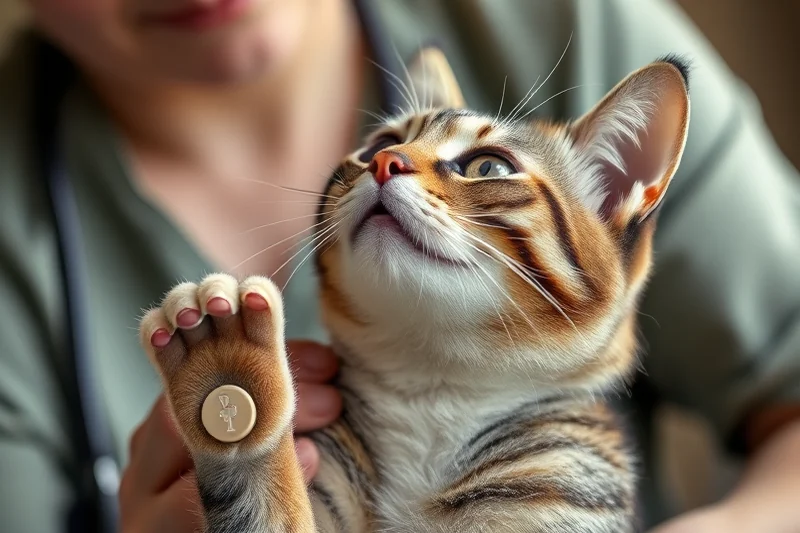
One morning, I noticed Miso wasn’t grooming herself as usual. At first, I assumed it was just laziness, but after a few days, I realized she had developed a skin infection. Prompt care helped her recover quickly.
Other signs to watch for include increased vocalization, aggression, or changes in sleep patterns. These may signal discomfort, pain, or even depression.
I’ve learned to document any changes in my cat’s behavior, such as sudden disinterest in play or a reluctance to interact. Keeping a journal has helped me spot patterns that might otherwise go unnoticed.
A small change in behavior can be a big clue to your cat’s well-being.
Related: Small caring for a senior cat
The Dangers of Overstimulation in Elderly Cats
During a family gathering, I noticed Miso was hiding and hissing at guests. I realized that too much activity and noise had overwhelmed her. After creating a quiet space for her to retreat to, she settled down.
Stimuli such as loud music, sudden movements, or the presence of too many people can be stressful for elderly cats. They may react with aggression or withdrawal.
I now use a white noise machine and keep Miso in a separate room during large gatherings. This simple change has significantly reduced her anxiety and made her more comfortable at home.
Designate a calm, quiet area where your cat can retreat if she feels overwhelmed. Use soft lighting and minimize noise in this space.
“I remember the first time my 17-year-old cat, Miso, refused to use the litter box.”— Quietcatyears editors
Related: Care pets for elderly alternatives
The Misconception of 'Normal' in Elderly Cat Behavior
When Miso stopped using the litter box, I assumed it was a behavioral issue. But after consulting with my vet, I learned she had a urinary tract infection. Early detection made all the difference in her recovery.
It’s easy to dismiss certain behaviors as 'just getting old,' but many are actually symptoms of underlying health issues. For example, decreased mobility or difficulty climbing stairs can be signs of arthritis.
I’ve since become more proactive in addressing any unusual behavior, even if it seems 'normal' for an older cat. Early intervention often leads to better outcomes and a higher quality of life.
Related: Simple elderly cat care behavior
The Role of Enrichment in Elderly Cat Care
I used to think that my elderly cats didn’t need playtime, but I was wrong. Introducing slow-moving toys and interactive feeders has kept Miso mentally stimulated and physically active.
Elderly cats may not have the same energy levels as they did in their younger years, but they still benefit from mental and physical stimulation. Simple activities like puzzle feeders or short play sessions can be highly rewarding.
I’ve noticed that Miso is more content and less anxious when she has something to do. Even a few minutes of interaction each day can make a big difference in her overall well-being.
⭐ Classic
The original recipe with ground turkey and brown rice.
💰 Budget
Replace ground turkey with cooked chicken and use white rice to save money.
⚡ Extra-Fast
Skip baking and use a dehydrator for a quicker, no-heat method.
✨ Depth
Add shredded carrots and a pinch of turmeric for added nutrition and flavor.
🥗 Light
Use lean ground chicken and substitute brown rice with cauliflower rice for a lower-calorie option.
| The mistake | Why it happens | The fix |
|---|---|---|
| Assuming all changes are due to aging without checking for health issues | Many behavioral changes in elderly cats are actually signs of underlying health problems that can be treated if caught early. | If you notice any unusual behavior, consult your vet immediately to rule out medical causes. |
| Dismissing the importance of routine | Elderly cats rely heavily on routine for stability and comfort. Disrupting this can cause anxiety and confusion. | Maintain a consistent schedule for feeding, grooming, and playtime to provide a sense of security for your cat. |
| Overstimulating your cat with too much activity or noise | Elderly cats are more sensitive to overstimulation, which can lead to stress and anxiety. | Create a calm, quiet environment for your cat and avoid exposing them to loud noises or sudden movements. |
| Not providing enough mental and physical stimulation | Lack of engagement can lead to boredom, depression, and behavioral issues in elderly cats. | Introduce slow-moving toys, puzzle feeders, and short play sessions to keep your cat mentally and physically active. |
Related: Affordable things for senior cats
Elderly Cat Care Behavior Mistakes
Related: Feline medical advice for senior cats
The Hidden Cost of Neglecting Dental Care in Senior Cats
Dental neglect in senior cats can lead to painful infections, loss of appetite, and systemic health issues.
I once had a 14-year-old cat who stopped eating dry food entirely because of severe gingivitis. We didn’t notice the problem until she started losing weight, and by then, she needed a full dental cleaning under anesthesia. The vet estimated the cost at around $600, which included X-rays and tooth extractions. Preventative care, like dental wipes and regular check-ups, would have cost about $100 annually and could have avoided the more expensive and invasive procedures later.
Senior cats are more prone to dental disease due to decreased saliva production and slower metabolism. I’ve seen cases where tartar buildup led to abscesses that required antibiotics and pain management. One of my cats had a broken tooth that went untreated for months, causing chronic pain and behavioral changes. It was only after we took her to the vet that we realized the issue. Regular brushing with a cat-specific toothbrush and toothpaste can reduce tartar by up to 60% in senior cats.
In my experience, many pet owners don’t realize how essential dental care is for their senior cats. One of my friends waited until her cat was coughing up blood before she took her to the vet. It turned out to be a severe infection in the mouth, which had spread to the lungs. She ended up paying over $1,000 for treatment, including medication and follow-up visits. Preventative dental care is not only cheaper but also prevents a lot of suffering and health complications.
The Mistake of Assuming Senior Cats Don’t Need Playtime
Many owners mistakenly believe senior cats don’t need play, but mental and physical engagement is crucial for their well-being.
I used to think my 13-year-old cat didn’t need playtime anymore because she was slowing down. But after a few months of not engaging her, I noticed she became more irritable and less interested in food. I started using a laser pointer for short sessions and found that she actually loved it, even though she moved slower. These sessions helped her stay more active and mentally stimulated.
Senior cats still benefit from play, even if it's less intense. I now use feather toys and puzzle feeders with my senior cat, which keep her engaged for about 10–15 minutes a day. These activities help maintain her muscle tone and cognitive function, and I’ve noticed she’s more alert and sociable after they’re introduced. I’ve read that senior cats who are mentally stimulated are less likely to develop dementia-related behaviors.
I’ve also found that incorporating scent-based toys or hiding treats around the house helps keep my cat active. These activities not only provide physical and mental stimulation but also give her a sense of purpose. I’ve seen a decrease in her anxiety levels and a noticeable improvement in her appetite and energy since we introduced these changes. Playtime, even in small doses, is a vital part of elderly cat care.
Common Questions
How often should I feed my elderly cat?
What are signs that my elderly cat is in pain?
Can I still play with my elderly cat?
Is it normal for my elderly cat to sleep more?
References
- Preventing Unwanted Cat Behaviors | DuPage Co, IL (dupagecounty.gov)
- PDF Senior Level 3 Cat Knowledge Study Guide - extension.purdue.edu (extension.purdue.edu)
- When Caring for a Sick Pet Becomes Too Much - Kent State University (kent.edu)
- Cat Care & Behavior Tips | Onslow County, NC (onslowcountync.gov)
Cite this guide
Quietcatyears (2026). Elderly Cat Care Behavior Mistakes. https://quietcatyears.com/elderly-cat-care-behavior-mistakes/
Feel free to cite or share this guide.