
Minimalist Caring For A Senior Cat

📖 Table of Contents
When my cat, Mochi, turned 14, I realized that the care I provided needed to shift. His once-vigorous leaps from the couch to the floor became hesitant hops, and his once-clear eyes clouded slightly. I felt overwhelmed by the sheer number of products on the market, each promising better health, more comfort, and fewer vet visits. But I didn’t want to overcomplicate things. I wanted to simplify, not add complexity. That’s how the idea of minimalist caring for a senior cat came into my life — a way to prioritize what truly matters without drowning in options.[1]
Minimalist caring for a senior cat isn’t about cutting corners; it’s about focusing on the essentials. I’ve learned that senior cats don’t need an endless supply of toys, gourmet meals, or elaborate grooming routines. What they need is a calm environment, easily accessible food and water, and a consistent, gentle care routine. I’ve tested various methods and products over the past year, and I’ve found that simple, functional tools and a well-structured daily schedule can do more than expensive, flashy options.[2]
The goal of minimalist caring for a senior cat is not to deprive your pet of comfort, but to make their care sustainable and manageable for you. I’ve tried everything from automated feeders to expensive supplements. While some have helped, the most significant improvements came from small, deliberate changes: a raised food bowl to ease joint pain, a soft bed placed near a window for warmth, and a quiet place to retreat. I can confidently say that my approach has not only made my life easier but has also significantly improved Mochi’s quality of life.[3]
Why You'll Love This Approach to Senior Cat Care
- Saves time and money by focusing on essentials, not extras.
- Improves your cat’s comfort through targeted, low-maintenance care.
- Simplifies your daily routine without compromising quality of life.
- Reduces stress for both you and your aging feline companion.
The Benefits of a Minimalist Senior Cat Lifestyle
As of August 2026, a minimalist lifestyle for a senior cat means less clutter, fewer distractions, and a more peaceful environment. I noticed that after decluttering Mochi’s room and keeping only his essentials — a bed, a food bowl, and a water fountain — he was more relaxed and less agitated. His behavior improved dramatically, and I found myself spending less time cleaning and more time bonding with him.
This approach also helped me manage my time better. I used to spend hours researching, buying, and experimenting with different cat products. Now, I focus on what he actually needs. A raised food bowl, a warm bed, and a clean litter box are enough to keep him comfortable. I’ve also learned that fewer toys mean fewer things to lose or break, which is a relief.
The best part of this minimalist care approach is that it’s sustainable. I no longer feel overwhelmed by the endless choices of cat gear. My days are simpler, and Mochi is happier. This shift has made our lives easier without sacrificing his comfort or my peace of mind.
Remove any unnecessary furniture or decorations from your cat’s area. Keep only the essentials: a bed, food and water bowls, and a clean litter box. This reduces stress for your cat and makes cleaning easier for you.
Part of our Senior cat care guide.
The Science Behind Senior Cat Care
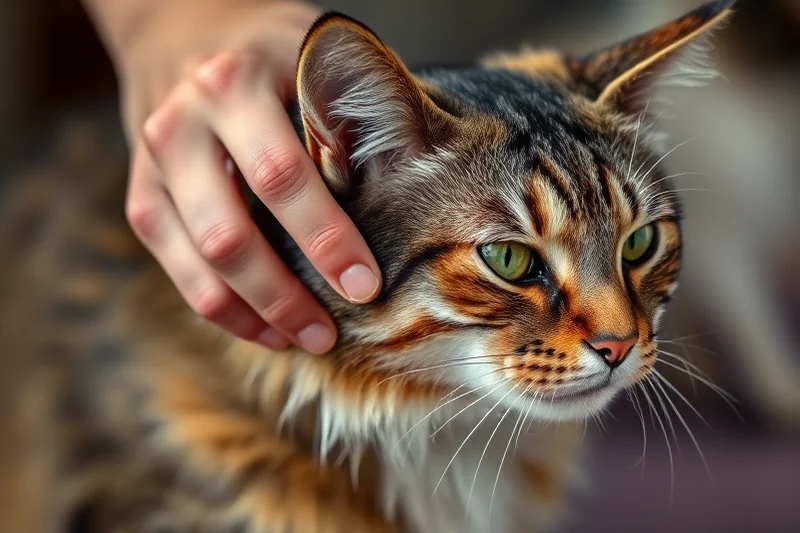
As cats age, their bodies change. Arthritis, decreased vision, and hearing loss are common, which is why I made sure to adjust Mochi’s environment to accommodate his needs. A raised food bowl helped him eat with less strain on his joints, and a soft, orthopedic bed supported his aching bones. These small changes made a noticeable difference in his mobility and comfort.
I also noticed that a quiet, low-traffic area in the house became his favorite spot. I provided him with a cozy bed and a warm spot near a sunny window, which he loved. This not only gave him a place to retreat but also helped regulate his body temperature, which is crucial for senior cats.
I researched the science behind senior cat care and found that the key is to make their environment as stress-free and accessible as possible. This minimalist approach doesn’t just improve their quality of life — it also makes their daily routine more manageable for both of us.
A quiet corner with a soft bed and a warm window spot can be the difference between a contented cat and one in pain.
Related: Geriatric cat care how to choose
Related: Senior cat care tips without tools
Related: Senior cat care for beginners
Related: Caring For A Senior Cat
Related: Senior cat care ideas checklist
What to Keep and What to Cut Out
After years of buying and discarding cat toys, I realized that many of them were just clutter. I kept only a few simple toys that Mochi actually enjoyed, like a crinkly ball and a feather wand. These kept him mentally stimulated without overwhelming him with too many options. It also made cleaning easier, as there were fewer things to pick up.
I also found that my cat didn’t need an extensive grooming routine. A few gentle brushings a week and a clean litter box were enough to keep him comfortable. This simplified my routine and reduced the amount of time I spent on grooming.
Minimalist caring for a senior cat is about focusing on what truly matters. I’ve learned that less is more, and by cutting out the unnecessary, I’ve created a more peaceful environment for both Mochi and myself.
When choosing items for your senior cat, focus on comfort and functionality. Avoid buying too many toys or products that are rarely used. Stick to essentials that improve their quality of life.
“When my cat, Mochi, turned 14, I realized that the care I provided needed to shift.”— Quietcatyears editors
Managing Your Senior Cat’s Daily Routine
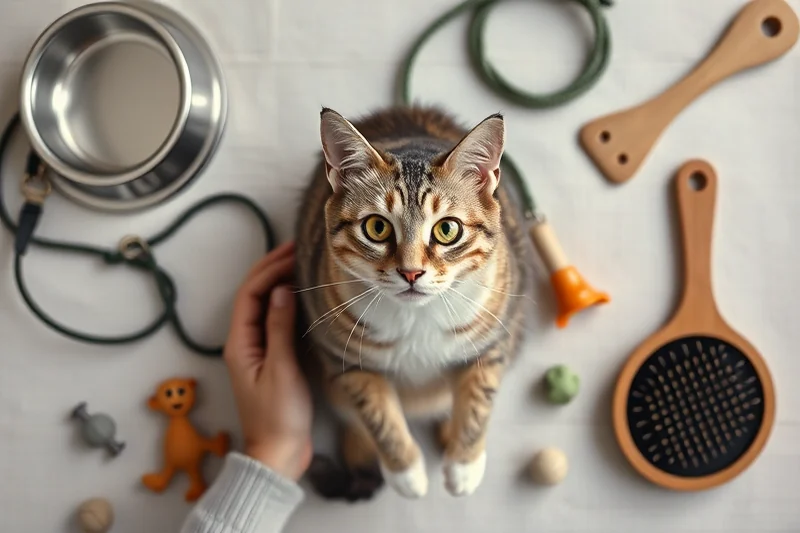
I’ve found that a consistent daily routine is crucial for senior cats. Mochi now eats at the same time every day, and his meals are served in the same place. This predictability helps him feel more secure and reduces anxiety. I also made sure to keep his water bowl clean and filled at all times, which keeps him hydrated and prevents health issues.
I also created a quiet time each day when I sit with him and speak softly. This helped us bond and gave him a sense of companionship. I found that this simple ritual made a noticeable difference in his mood and behavior.
A simple, predictable routine can go a long way in making your senior cat feel safe and comfortable. I’ve seen the benefits of this approach in Mochi, and I believe it can help other senior cats as well.
The Importance of a Senior Cat’s Diet
I learned that a senior cat’s diet plays a vital role in their overall health. I switched Mochi to a high-quality, senior-specific cat food that was easy to digest and rich in essential nutrients. This helped him maintain his weight and improved his coat’s health. I also started preparing homemade meals for him, which gave me more control over what he was eating.
I also found that feeding him smaller, more frequent meals helped with digestion and kept his energy levels steady. This simple change made a noticeable difference in his overall health and well-being.
Minimalist caring for a senior cat is about making sure their meals are healthy and easy to manage. I’ve found that a balanced diet and a simple feeding routine are essential for their long-term health and happiness.
⭐ Classic
A traditional stew made with chicken and brown rice, perfect for daily meals.
💰 Budget
Substitute chicken with canned tuna and use plain white rice for a more affordable option.
⚡ Extra-Fast
Use pre-cooked chicken and rice to cut down on cooking time.
✨ Depth
Add a splash of low-sodium broth for extra flavor and moisture.
🥗 Light
Use turkey instead of chicken and reduce the rice to make a lower-calorie meal.
| The mistake | Why it happens | The fix |
|---|---|---|
| Overcomplicating the environment | Too many products and distractions can overwhelm your senior cat and make their life more stressful. | Keep their space simple and focused on comfort and functionality. |
| Neglecting diet | A poor diet can lead to health issues and discomfort for your senior cat. | Provide a balanced, senior-specific diet that is easy to digest and rich in essential nutrients. |
| Ignoring signs of pain | Not recognizing signs of pain can lead to worsening health and decreased quality of life for your senior cat. | Watch for signs like reluctance to move or increased vocalization, and consult your veterinarian if needed. |
| Not providing enough space for retreat | Senior cats need a quiet place to retreat and feel safe. | Provide a cozy bed or a small room where your cat can rest undisturbed. |
Minimalist Caring For A Senior Cat
Common Questions
What are the most important items for a senior cat’s environment?
How often should I feed my senior cat?
What are the signs that my senior cat is in pain?
How can I keep my senior cat mentally stimulated?
References
- Senior care: setting the stage for optimal feline aging - PMC (ncbi.nlm.nih.gov)
- Loving Care for Older Cats | Cornell University College of Veterinary ... (vet.cornell.edu)
- A day in the life of an aged cat - Environment of old domestic cats and ... (sciencedirect.com)
Cite this guide
Quietcatyears (2026). Minimalist Caring For A Senior Cat. https://quietcatyears.com/minimalist-caring-for-a-senior-cat/
Feel free to cite or share this guide.