
Senior Cat Care Routines & Schedules

📖 Table of Contents
Senior cat care routines & schedules are essential to maintaining your aging feline's health, comfort, and longevity. As cats age, their needs change, and a well-structured routine can help prevent illness, manage chronic conditions, and ensure they remain happy and active. This guide provides a comprehensive overview of senior cat care routines and schedules, tailored for pet owners seeking clarity and practical steps.
Aging cats require more frequent veterinary checkups, adjusted feeding schedules, and environmental modifications to support their declining mobility and sensory abilities. Establishing a consistent care schedule helps identify early signs of illness, reduces stress, and promotes a sense of security for your cat. Whether you're a new owner or a seasoned pet parent, this guide will help you handle the complexities of senior cat care.
With over 15 million senior cats in the U.S. alone, proper care can make a significant difference in their quality of life. This article breaks down the key components of senior cat care routines and schedules, including checklists, common mistakes to avoid, budget-friendly solutions, and printable resources. The goal is to provide actionable advice that empowers you to make informed decisions for your senior cat’s well-being. Start with easy senior cat care schedules or easy senior cat care routines.[1]
Key Takeaways
- Senior cats benefit from structured routines that support their physical, mental, and emotional health.
- A checklist and schedule can help owners manage daily tasks and monitor changes in behavior or health.
- Avoiding common mistakes like overfeeding or ignoring environmental needs can significantly impact a senior cat's quality of life.
- Printables, budget-friendly strategies, and practical examples make senior cat care accessible for all pet owners.
For Beginners
As of August 2026, for beginners, senior cat care routines and schedules begin with creating a structured environment that supports your cat's aging needs. Senior cats may experience changes in vision, hearing, mobility, and metabolism, so a routine that includes regular feeding, scheduled vet checkups, and safe, accessible spaces is crucial. Starting with a predictable daily schedule helps your cat feel secure and reduces stress.
Begin by establishing a feeding schedule that aligns with your cat's energy levels and any medical conditions, such as kidney disease or diabetes. A consistent routine for walks, playtime, and grooming also helps maintain physical health and mental stimulation. For instance, feeding your senior cat twice a day at the same time each day can aid digestion and prevent overeating.
It's also essential to monitor your cat's behavior and health closely. Keep an eye on changes in weight, appetite, and activity levels, and consult your vet if you notice any concerns. A beginner-friendly approach to senior cat care is to use simple tools like timers or reminders to maintain consistency, ensuring your cat receives the care it needs. For the full walkthrough, see easy senior cat care schedules and easy senior cat care routines.
In this guide:
In this guide:
In this guide:
In this guide:
In this guide:
Checklists
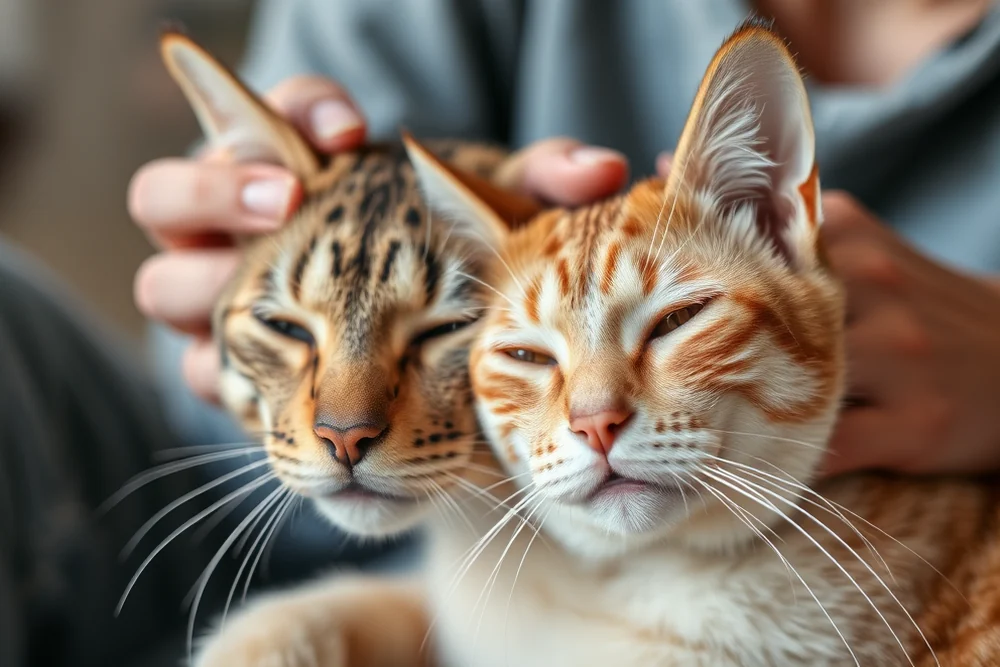
A senior cat care routine checklist is a powerful tool that helps owners stay organized and proactive in their cat's care. It typically includes items like daily feeding times, medication schedules, vet appointments, grooming, and playtime. Using a checklist ensures that no important task is overlooked, which is especially critical as cats age and require more attention.
For example, a checklist might include checking the litter box daily, ensuring the cat has access to fresh water, and monitoring for signs of discomfort or illness. Including items like scheduled vet checkups, regular dental care, and mobility exercises can also support your senior cat's long-term health.
Creating a checklist tailored to your cat's specific needs—such as managing chronic conditions or mobility issues—can help you maintain a consistent and effective care routine. These checklists can be customized and printed, or used digitally to track progress and stay on top of your cat's care requirements. For the full walkthrough, see senior cat care routines on a budget and senior cat care schedules for beginners.
Related: Senior Cat Care Routines Schedules For Beginners
Related: Senior Cat Care Schedules Ideas
Related: Caring For A Senior Cat Comparison
Related: Simple Senior Cat Care Routines
Related: Budget Senior Cat Care Routines
Common Mistakes
One of the most common senior cat care mistakes is ignoring subtle changes in behavior or health. Aging cats may show signs of discomfort, decreased activity, or changes in appetite that are easily overlooked. Failing to address these early signs can lead to more serious health issues down the line.
Another frequent mistake is overfeeding, which can lead to obesity and complicate existing health conditions like diabetes or arthritis. Senior cats often have slower metabolisms, so portion control and high-quality, easily digestible food are essential. For example, switching to a senior-specific diet can help manage weight and support joint health.
Neglecting environmental needs is another mistake that can impact a senior cat's quality of life. Cats with declining mobility may struggle to access food, water, or litter boxes, so it's important to make their living space cat-friendly. Simple changes like placing food and water bowls at ground level or using ramps can make a big difference. For the full walkthrough, see affordable senior cat care routines schedules and budget senior cat care routines schedules.
“Senior cat care routines & schedules are essential to maintaining your aging feline's health, comfort, and longevity.”— Quietcatyears editors
Printables

Printable senior cat care resources are invaluable for owners who need an organized and visual way to track their cat's routine and health. These resources can include weekly schedules, checklists, feeding charts, and health tracking sheets that help owners stay on top of their cat's needs.
For instance, a printable senior cat care calendar can help you track vet appointments, medication dosages, and grooming sessions. You can also find printable checklists that guide you through daily tasks like feeding, litter box maintenance, and playtime.
Using printables allows for easy customization and can be especially helpful for caregivers or family members who may be involved in your cat's care. These resources make it simple to maintain consistency and ensure that your senior cat receives the attention they need every day. For the full walkthrough, see simple senior cat care routines and simple senior cat care routines schedules.
Budget-Friendly
Affordable senior cat care routines don’t require expensive interventions—they focus on consistency, preventive care, and minor home adjustments. Regular vet checkups, which can detect health issues early, are one of the most cost-effective ways to maintain your senior cat's health.
Choosing a high-quality but affordable senior cat food that supports joint health, digestion, and kidney function is another key factor. Brands like Hill's Science Diet or Royal Canin offer budget-friendly senior formulas that are widely recommended by veterinarians.[2]
Simple home modifications, such as adding ramps or using low-sided litter boxes, can also support mobility without breaking the bank. These adjustments help reduce the risk of injury and make daily life easier for your aging cat. For the full walkthrough, see best senior cat care schedules and best senior cat care routines.
Examples & Ideas
An example of a senior cat care routine is a daily schedule that includes feeding at 8 AM and 6 PM, a short walk or play session at 10 AM, and a quiet time in the afternoon. This structured approach helps maintain your cat's physical and mental well-being.[3]
Another idea is to incorporate interactive play using toys like feather wands or laser pointers, which can help maintain muscle tone and stimulate the mind. Even short sessions of 10-15 minutes a day can have a positive impact on your senior cat’s energy levels and mood.[4]
Health tracking is another important example of senior cat care. Keeping a log of your cat's weight, appetite, activity levels, and any changes in behavior can help you and your vet identify patterns or potential health concerns early. This proactive approach ensures that your senior cat receives the best possible care. For the full walkthrough, see best senior cat care routines schedules and easy senior cat care routines schedules.
Small-Space Ideas
For senior cats living in small apartments or homes with limited square footage, thoughtful design and organization are key to their well-being. Vertical space should be maximized with cat trees, shelves, and climbing structures that allow cats to stretch, nap, and observe their surroundings without needing floor space. These structures also help reduce joint strain by providing easy access to elevated resting spots.
Incorporating multi-functional furniture is another smart approach. Consider foldable or wall-mounted feeding and watering stations that save space while keeping essentials within easy reach. Also, using soft, low-profile beds or heated pads can offer senior cats a comfortable place to rest without taking up too much room. These solutions not only enhance mobility but also support the cat's natural behaviors.
Lighting and temperature control are also important in small spaces. Ensure that the area is well-lit to help senior cats navigate safely, and use heating pads or warm blankets to maintain a comfortable environment, especially during colder months. Keeping the space clutter-free and easy to move around in is essential for maintaining your senior cat’s independence and quality of life. For the full walkthrough, see budget senior cat care routines and budget senior cat care schedules.
Tools, Materials and Resources
Proper senior cat care requires the right tools and resources to ensure their health and comfort. Essential items include a high-quality senior cat diet tailored to their changing nutritional needs, a comfortable bed with good support for aging joints, and grooming tools to manage shedding and skin health. These items help maintain your cat's physical well-being and reduce the risk of common senior-related issues.
Investing in monitoring tools such as digital weight scales, automated feeders, and litter box sensors can provide valuable insights into your cat's daily habits and health. These tools can alert you to changes in weight, appetite, or bathroom habits, which are early indicators of potential health problems. Also, having a first-aid kit and access to veterinary resources ensures you are prepared for emergencies.
There are also numerous online resources, including senior cat care guides, forums, and veterinary websites, that can help you stay informed about best practices. Books, mobile apps, and local pet stores are also excellent sources for finding the right tools and materials tailored to your senior cat's specific needs. For the full walkthrough, see diy senior cat care routines and simple senior cat care schedules.
Troubleshooting and Common Questions
As cats age, they may experience a range of health and behavioral changes that can be confusing or concerning for owners. Common issues include reduced activity levels, changes in appetite, increased sleeping, and difficulty using the litter box. These changes can often be managed with the right care and early intervention from a veterinarian.
Frequently asked questions about senior cat care include how to manage arthritis, how to handle weight loss, and how to cope with cognitive decline. Each of these issues has specific strategies, such as providing joint supplements, adjusting diet, and creating a more stimulating environment to support mental health.
It's also important to know when to seek professional help. If your senior cat shows signs of pain, sudden weight loss, or behavioral changes that disrupt their routine, it's essential to consult your vet. Troubleshooting these issues early can significantly improve your cat's quality of life and longevity. For the full walkthrough, see diy senior cat care routines schedules and senior cat care routines step by step.
Getting Started: Your First Steps
The first step in senior cat care is scheduling a comprehensive veterinary examination. This initial checkup is crucial to establish a baseline of your cat's health and identify any early signs of age-related conditions. Your vet may recommend routine blood work, dental exams, and imaging to ensure your cat is in the best possible health as they age. This proactive approach can help catch problems before they become serious.
Creating a senior-friendly environment is equally important. This includes making sure your home is free of hazards, providing easy access to food, water, and litter boxes, and ensuring your cat has a comfortable resting area. Soft bedding, low shelves, and non-slip surfaces can help your senior cat move around safely and comfortably. Consider investing in ramps or steps if your cat has difficulty jumping onto furniture.
Once the initial steps are taken, it's time to establish a consistent care routine tailored to your cat's specific needs. This may include regular feeding times, scheduled play sessions, and grooming routines. Keeping track of your cat's behavior, appetite, and weight is essential to monitor their health over time. Always remain flexible and adjust the routine as your cat's needs change with age.
🌱 Beginner
The simplest version — minimal supplies, quick win.
💰 Budget
Same result using what you already have.
⚡ Quick
The 10-minute version for busy days.
✨ Advanced
The upgraded version once the basics stick.
| The mistake | Why it happens | The fix |
|---|---|---|
| Ignoring health changes in senior cats | Aging cats may show subtle signs of illness, such as changes in appetite or activity levels, which can be easily overlooked. | Stay vigilant and consult your vet if you notice any unusual behavior or physical changes. |
| Overfeeding senior cats | Senior cats may have slower metabolisms, and overfeeding can lead to obesity, which worsens existing conditions like diabetes or arthritis. | Use portion-controlled feeding schedules and choose senior-specific, high-quality food. |
| Neglecting environmental needs | Senior cats may struggle with mobility, making it difficult to access food, water, or litter boxes. | Make home adjustments like using ramps or low-sided litter boxes to support your cat’s comfort and independence. |
senior cat care routines & schedules
Common Questions
What are senior cat care schedules for beginners?
What is a senior cat care routines checklist?
What are common senior cat care routines mistakes to avoid?
What is a senior cat care routines printable?
References
- Cats | Healthy Pets, Healthy People | CDC (cdc.gov)
- Creating a Daily Plan - Dementia Caregiver Web Support (dementia.cindrr.research.va.gov)
- Senior care: setting the stage for optimal feline aging - PMC (pmc.ncbi.nlm.nih.gov)
- Loving Care for Older Cats | Cornell University College of Veterinary ... (vet.cornell.edu)
Cite this guide
Quietcatyears (2026). Senior Cat Care Routines & Schedules. https://quietcatyears.com/senior-cat-care-routines-schedules/
Feel free to cite or share this guide.