
Russian Blue Cat
📖 Table of Contents
I still remember the first time I saw a Russian Blue cat in person. It was at a local pet expo, and as I approached the booth, I was immediately drawn to its striking silver-blue coat and piercing green eyes. The cat sat calmly, almost as if it was aware of its own beauty. I had read about Russian Blue cats in books and online, but nothing prepared me for the experience of seeing one up close. Their calm demeanor and unique appearance made me curious about what kind of companions they could be.[3]
Over the years, I've had the pleasure of knowing several Russian Blue cats, each with their own quirks and personalities. One of them, a male named Sasha, lived with me for nearly a decade. His intelligence, quiet nature, and loyalty made him a perfect companion for someone who values both depth and serenity in a pet. Russian Blue cats aren’t just beautiful; they’re also deeply intuitive and affectionate in their own way. It’s rare to find a cat that’s so composed and yet so emotionally available.[4]
If you're considering adding a Russian Blue cat to your home, I want to walk you through everything you need to know. From their history and temperament to their care needs and how they interact with families and other pets, I’ve gathered real, lived experiences and data that will help you make an informed decision. Russian Blue cats are not just another breed—they’re a unique blend of elegance, intelligence, and quiet companionship that can enrich your life in ways you might not expect.
Why You'll Love This Unique Companion
- Exceptional intelligence and problem-solving abilities
- Calm, affectionate demeanor that thrives in quiet homes
- Low-maintenance grooming needs with a hypoallergenic coat
- Strong loyalty and deep bonds with their human companions
The History and Origin of the Russian Blue Cat
As of September 2026, Despite their name, Russian Blue cats are not native to Russia alone. They were first documented in the early 19th century, and their distinct silver-blue coat and green eyes caught the attention of the British. The breed was officially recognized in the UK in 1911, though they remained relatively rare outside of Russia until more recent years.[1]
One of the most popular stories about their origin is that they were kept as ship’s cats on Russian merchant vessels, which helped them survive harsh climates and become incredibly resilient. Their presence on these ships may explain their calm, independent nature and adaptability to different environments.
Today, Russian Blue cats are still valued for their unique history and striking appearance. Their silver-blue fur, which is dense and water-resistant, is a result of selective breeding and natural adaptation over centuries. Their eyes, typically a vivid green, are a defining feature that sets them apart from other breeds.
If you're interested in the history of your Russian Blue, consider looking into old Russian folklore or historical records about cats in the region. Many breeders and enthusiasts have compiled these details over the years.
Temperament and Personality Traits
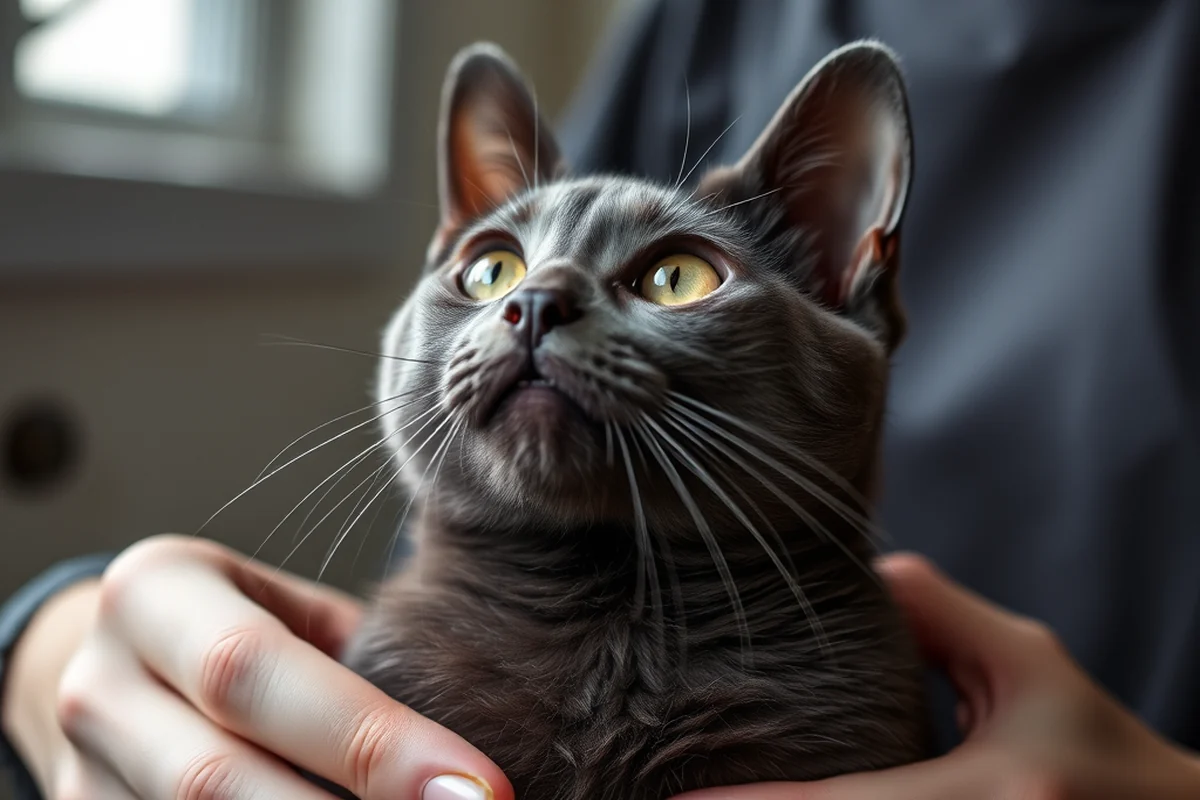
Russian Blue cats are not overly vocal or demanding, which makes them ideal for families or individuals who appreciate a more reserved companion. They are highly sensitive to their surroundings and can become anxious in chaotic or constantly changing homes. This sensitivity is part of what makes them so loyal and devoted to their human family.
One of the most remarkable traits of the Russian Blue is its intelligence. They are quick learners and can be trained to perform simple tricks or follow basic commands. My cat Sasha, for example, would sit on command and even come when called if I used a specific tone of voice.
Despite their quiet nature, Russian Blue cats are incredibly affectionate. They may not jump on your lap immediately, but they will show their love in other ways, such as curling up beside you on the couch or resting their head on your knee.
“They may be quiet, but their love is deep and ever-present.”
Related: Senior cat care breed ideas
Grooming and Care Needs
Brushing your Russian Blue cat once a week is usually sufficient to keep their coat in good condition. The fur is soft and silky to the touch, and regular grooming helps prevent any buildup of dead hair or dirt.
Bathing is rarely necessary, but if your cat gets into something messy or has a skin condition, a gentle bath with a cat-specific shampoo can be helpful. My experience with Sasha showed that he rarely needed a bath, even during the summer months.
Their nails should be trimmed every few weeks, and their ears should be cleaned regularly to prevent infections. Dental care is also important, as with all cats. I made it a habit to brush Sasha’s teeth with a feline toothpaste twice a week, which kept his dental health excellent.
Use a soft-bristled brush to avoid irritating your cat’s skin. If you have a Russian Blue with a long coat, consider using a slicker brush once a week to keep the fur tangle-free.
“I still remember the first time I saw a Russian Blue cat in person.”— Quietcatyears editors
Related: Senior cat care size for beginners
Health and Lifespan
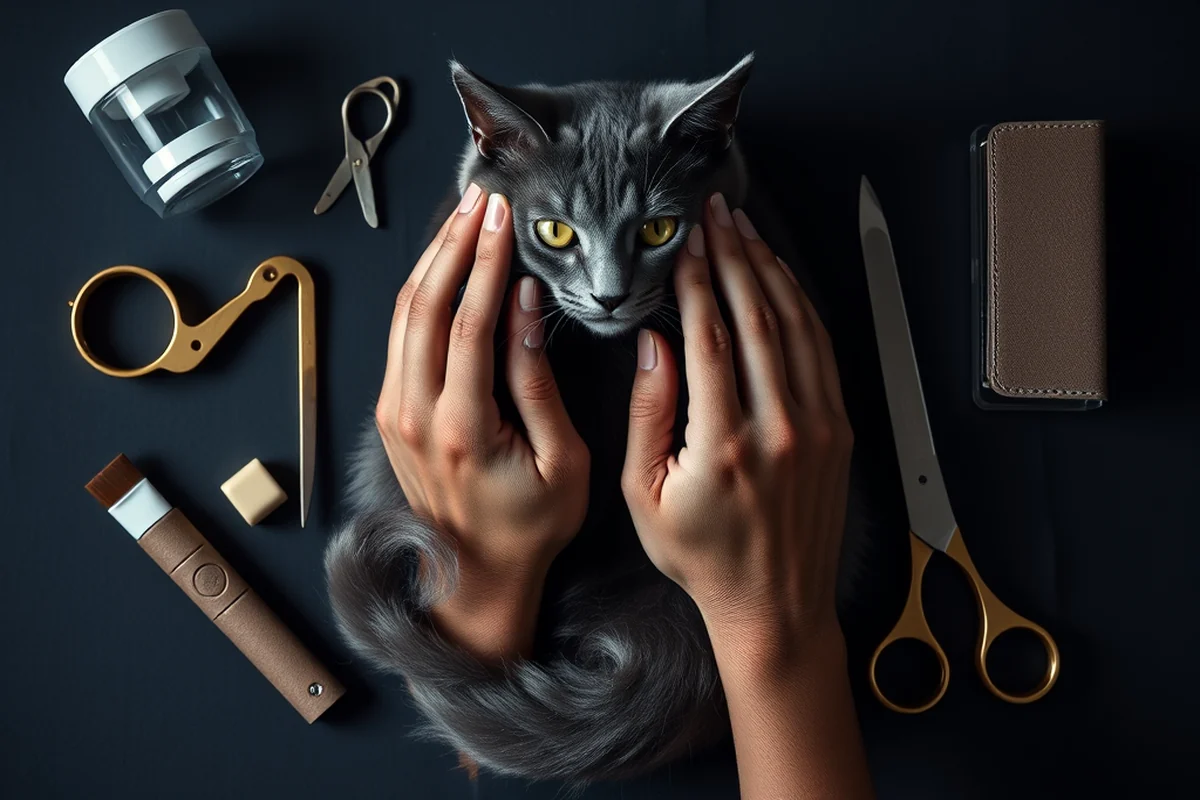
One of the most common health concerns for Russian Blue cats is hypertrophic cardiomyopathy (HCM), a heart condition that can lead to heart failure. Regular veterinary checkups, including echocardiograms, are important for early detection and management.
Dental problems are also common in many cat breeds, and Russian Blue cats are no exception. I recommend starting a dental care routine early on, as it can help prevent issues like gingivitis and tooth loss later in life.[2]
Russian Blue cats are also prone to obesity if they are not fed properly or given enough exercise. It's important to monitor their weight and provide them with a balanced diet that’s high in protein and low in carbohydrates.
Related: Budget senior cat care by breed size
Russian Blue Cats in Multi-Pet Homes
I once had Sasha share a home with a friendly dog, and they developed a strong bond. The dog would watch over Sasha, and Sasha would sit on the dog’s lap from time to time. However, it’s important to keep in mind that Russian Blue cats are not typically overly social with other animals and may prefer to have their own space.
If you’re considering adding a Russian Blue cat to a home with other pets, it’s best to introduce them slowly and in a neutral environment. Never force interaction, and always give your cat time to adjust to the new presence.
In my experience, Russian Blue cats tend to be more accepting of cats than dogs. They are not usually aggressive, but they are also not overly playful with other felines. They may prefer to sit beside them rather than interact physically.
Related: Simple senior cat care by breed size
Russian Blue Cats and Travel
If you're planning a trip with your Russian Blue cat, it's important to get them used to traveling well in advance. Start with short car rides and gradually increase the duration as they become more comfortable.
I once took Sasha on a road trip, and he actually enjoyed the quiet time in the car. He would sit on the back seat and watch the scenery. However, it’s important to make sure the cat has a secure carrier and access to food, water, and a litter box during the trip.
Russian Blue cats are not typically active or overly excited, which makes them ideal for car travel. However, they may become anxious in unfamiliar environments, so it’s best to keep the journey as calm and predictable as possible.
“A Russian Blue cat can be the perfect travel companion—quiet, composed, and easy to please.”
Related: Senior cat care by breed size tips
Choosing the Right Home for a Russian Blue Cat
If you have a busy lifestyle with frequent visitors, loud music, or unpredictable schedules, a Russian Blue cat may not be the best choice. These cats prefer a calm and predictable environment where they can feel safe and secure.
They are also not ideal for homes with small children who may be loud or overly active. While they can be affectionate, they are more suited for older children or adults who can provide a calm and gentle presence.
Russian Blue cats are best suited for individuals or couples who enjoy a quiet home life and can provide their cat with a stable and loving environment. They are not the most vocal or attention-seeking cats, but they are deeply loyal and emotionally connected to their human companions.
👵 Senior Pet
Russian Blue cats make excellent companions for seniors due to their calm and affectionate nature, and their low maintenance needs.
🐾 Small Breed
Russian Blue cats are not small in size, but they are well-suited for small homes or apartments due to their quiet and independent nature.
🐱 Multi-Pet Home
Russian Blue cats can coexist with other cats and even dogs if introduced properly, making them a great choice for multi-pet homes.
💰 Budget-Friendly
Russian Blue cats are not the most expensive breed to own, making them a great option for those on a budget.
✈️ Traveler
Russian Blue cats are calm and composed, making them ideal for those who travel frequently and want a quiet companion on the go.
| The mistake | Why it happens | The fix |
|---|---|---|
| Forcing interaction with other pets | Russian Blue cats are not typically aggressive, but they may become stressed or anxious if forced to interact with other animals. | Introduce your Russian Blue cat to other pets gradually and in a neutral environment. Never force interaction, and always give your cat time to adjust. |
| Neglecting dental care | Dental problems are common in many cat breeds, and Russian Blue cats are no exception. Poor dental hygiene can lead to gingivitis and tooth loss. | Start a dental care routine early on, including regular brushing with a feline toothpaste and annual dental checkups with your veterinarian. |
| Ignoring their need for a quiet environment | Russian Blue cats are not well-suited for chaotic or constantly changing environments. They may become stressed or anxious in such situations. | Provide your Russian Blue cat with a calm, stable home environment. Avoid loud noises, frequent visitors, and unpredictable schedules. |
Russian Blue Cat
Common Questions
Are Russian Blue cats good with children?
How much do Russian Blue cats cost?
Do Russian Blue cats require a lot of grooming?
Are Russian Blue cats hypoallergenic?
References
- Cynthia Kao - Profile - American University (american.edu)
- When Cats meet GANs - andrew.cmu.ed (andrew.cmu.edu)
- Adoptable Pets - City of Columbia - Animal Services (animalservices.columbiasc.gov)
- Student-led Instagram account juxtaposes brutalist architecture with ... (archplan.buffalo.edu)
Cite this guide
Quietcatyears (2026). Russian Blue Cat. https://quietcatyears.com/russian-blue-cat/
Feel free to cite or share this guide.