
Maine Coon Cat Breed Information
📖 Table of Contents
The first time I met a Maine Coon cat, it was during a cold February morning in a small rescue center in Maine. The cat, named Moose, was curled up on a dusty blanket, his eyes wide and curious. His fur was thick and layered, and his tail was longer than his body, which I found both strange and fascinating. Maine Coon cats are more than just a breed; they're a living testament to the resilience of nature, shaped by the harsh winters of the northeastern United States. I remember how his purr was so deep it almost felt like a vibration in my chest, a sound that made me instantly fall in love with the breed.
As I researched more about Maine Coon cats, I discovered that they are one of the largest domesticated cat breeds in the world, with an average weight of 12 to 18 pounds and a length of up to 40 inches from nose to tail. Their history is as rich as their appearance, with tales of their origins dating back to the 18th century. They were originally found on the coast of Maine, where they survived the brutal winters and thrived on the abundance of fish from the sea. Their thick, water-resistant fur and robust build are adaptations that helped them survive in their environment, making them a natural choice for cold climates.
Over the years, I've come to appreciate the Maine Coon breed for more than just their looks. They are intelligent, affectionate, and have a unique personality that sets them apart from other cats. I've watched them interact with other pets and humans alike, showing a level of curiosity and playfulness that is both endearing and entertaining. If you're considering adding a Maine Coon to your home, you're not just getting a pet—you're welcoming a loyal companion that will bring joy, warmth. A touch of wildness to your everyday life.
Why You'll Love This Breed
- Adaptable to cold climates and indoor living
- Affectionate and loyal companions
- Intelligent and playful with a curious nature
- Low maintenance with high durability
History and Origin
As of October 2026, Maine Coon cats are believed to have originated in the state of Maine in the 19th century. They are the only naturally occurring longhaired cat breed in North America, which makes them unique compared to other domesticated cats. Their history is intertwined with the early settlers of the region, who needed cats that could survive the cold winters and hunt mice in the dense forests and coastal areas.
Historical records suggest that these cats were once called 'Maine shorthairs' before the breed was officially recognized in the early 20th century. During the Great Depression, many Maine Coons were crossed with other breeds, which led to a decline in their numbers. However, the breed was later revived through the efforts of dedicated cat fanciers and breeders who worked to restore their original characteristics.
Today, Maine Coon cats are one of the most popular breeds in the world, but their history remains deeply tied to their native land. Their resilience and adaptability have made them a symbol of the American spirit, and their presence continues to be celebrated in the communities of Maine and beyond.
If you're curious about your Maine Coon's lineage, a DNA test from a reputable company like Wisdom Panel or Embark can provide insight into their ancestry, which is often a mix of Norwegian Forest Cats and other longhaired breeds.
Physical Characteristics
One of the most notable features of a Maine Coon is their size. They are among the largest domesticated cats, with males typically weighing between 12 to 18 pounds and females slightly smaller. Their long, plumed tails and tufted ears are not just for show; they help them balance and navigate through dense underbrush.[1]
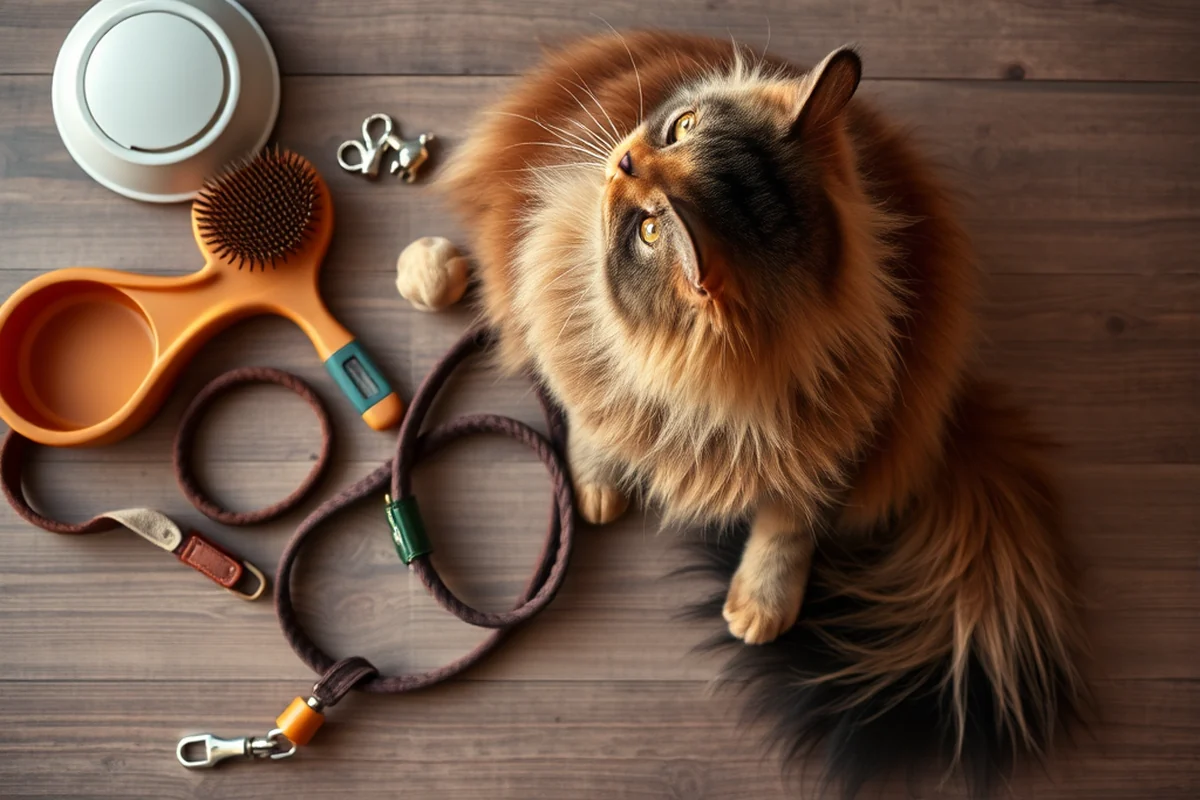
Their fur is another defining characteristic. The Maine Coon has a thick, water-resistant coat that is ideal for cold climates. Their fur is double-layered, with a dense undercoat and a longer, silky outer coat that gives them a regal appearance. This type of fur was once a necessity for survival in the harsh winters of Maine, but it's also a major reason for their popularity as pets.
Their facial structure is also unique. Maine Coons have a square-shaped head with a broad nose and large, expressive eyes that are usually green or gold. Their whiskers are long and prominent, which helps them sense their surroundings and catch prey. Their overall look is both elegant and strong, giving them a presence that is hard to ignore.
Their fur is not just for show—it's a survival trait turned fashion statement.
Related: Senior cat care breed for small spaces
Personality and Behavior
Despite their large size, Maine Coons are often described as gentle and loving. They are known to be very attached to their owners and will often follow them around the house. Their affectionate nature makes them ideal pets for families with children or other pets, as they are generally patient and easygoing.
Maine Coons are also highly intelligent and curious. They enjoy exploring their surroundings and will often engage in interactive play with their owners. Their intelligence makes them quick learners, and they can be trained to perform simple tricks or follow basic commands.
One of the most endearing traits of Maine Coons is their love of water. Unlike many other cat breeds, they are known to enjoy being near or even in water. I've seen several Maine Coon cats happily splash in a sink or bathtub, which is a rare and delightful sight.
To keep your Maine Coon entertained and mentally stimulated, invest in a variety of cat toys, such as puzzle feeders or interactive balls. These can help prevent boredom and encourage natural hunting behaviors.
“The first time I met a Maine Coon cat, it was during a cold February morning in a small rescue center in Maine.”— Quietcatyears editors
Related: Senior cat care size ideas
Health and Lifespan
On average, Maine Coon cats live between 12 to 15 years, which is a relatively long lifespan for a cat. Their robust build and strong immune system contribute to their longevity. However, like all purebred cats, they are susceptible to certain health issues that can be managed with proper care.[2]
One of the most common health concerns in Maine Coons is hypertrophic cardiomyopathy (HCM), a heart condition that causes the heart muscle to thicken. This condition can be detected through regular veterinary check-ups and genetic testing. Early detection is key to managing HCM and ensuring a long, healthy life for your cat.
Another potential issue is hip dysplasia, which can affect large breed cats. This condition occurs when the hip joint doesn't develop properly, leading to arthritis and mobility issues. Providing a balanced diet and maintaining a healthy weight can help reduce the risk of this condition.
Related: Senior cat care breed tips
Care and Maintenance
Maine Coon cats have a thick, long coat that requires regular grooming to prevent matting and keep their fur in good condition. It's recommended to brush them at least once a week, and more frequently during shedding seasons. This not only helps keep their coat looking its best but also prevents hairballs and reduces the amount of hair they ingest.[3]
Their large size means they need a balanced diet that provides the right amount of protein and nutrients. A high-quality cat food that is formulated for large breeds is recommended, and it's important to avoid overfeeding to prevent obesity. Obesity can lead to a variety of health problems, including joint issues and diabetes.[4]
Regular veterinary check-ups are essential for maintaining the health of your Maine Coon. These cats are generally healthy, but their size and genetic predispositions mean that early detection of health issues is crucial. Annual check-ups, along with routine vaccinations and parasite control, will help ensure they live a long and healthy life.
Related: Cat trees and towers
Lifestyle and Environment
These cats are not just pets—they are companions, and they need a home that provides them with a sense of security and comfort. They enjoy having a space where they can retreat and relax, such as a cozy cat tree or a sunny window seat. Providing them with a variety of perches and climbing structures can help keep them entertained and physically active.
Maine Coons are not overly demanding in terms of space, but they do appreciate having room to move around. A home with multiple rooms and plenty of vertical space is ideal for them, as they enjoy exploring and climbing. They are also known to be great with other pets, so if you have other animals in your home, a Maine Coon can be a wonderful addition.
While they are generally independent, Maine Coons do enjoy the company of their human companions. They are social animals and may become distressed if left alone for long periods of time. Providing them with regular interaction and attention will help keep them happy and well-adjusted.
A Maine Coon is not just a pet—it's a family member who deserves a home filled with love and security.
Related: Easy senior cat care size
Training and Socialization
Training a Maine Coon is a rewarding experience, as they are typically eager to please and enjoy learning new things. Positive reinforcement techniques, such as treats and praise, work well with this breed. They can be taught to sit, stay, and even walk on a leash with patience and consistency.
Early socialization is important for ensuring that a Maine Coon grows into a well-adjusted cat. Exposing them to different people, animals, and environments from a young age helps them become more confident and less likely to develop fear-based behaviors. This is especially important if you plan on bringing them into a home with other pets or children.
It's also important to remember that Maine Coons are not the type of cat that will follow commands without question. They are independent thinkers with a strong sense of self, and they will only do what they believe is in their best interest. This means that training requires patience, consistency, and a willingness to work with their natural instincts.
🐱 Senior Pet
Maine Coon cats can make excellent companions for seniors, offering companionship and a calming presence. Their gentle nature and low maintenance make them ideal for older adults.
🐾 Small Breed
While Maine Coons are large, their affectionate and adaptable nature makes them suitable for homes with smaller living spaces. They can thrive in apartments as long as they have enough stimulation and room to move.
🐶 Multi-pet Home
Maine Coons are social and get along well with other pets. They can be a great addition to a multi-pet home, especially with other cats or dogs that are friendly and well-socialized.
💰 Budget
Maine Coon cats are generally low maintenance in terms of grooming and care, making them a budget-friendly choice for those looking for a long-term companion.
✈️ Travel
With proper preparation, Maine Coons can accompany their owners on travels. Their adaptability and affectionate nature make them well-suited for life on the go.
| The mistake | Why it happens | The fix |
|---|---|---|
| Overfeeding | Overfeeding can lead to obesity, which increases the risk of joint problems and other health issues in Maine Coon cats. | Feed your Maine Coon a balanced diet and monitor their weight regularly. Avoid giving them too many treats, and consult with a veterinarian if you're unsure about the right portion sizes. |
| Neglecting grooming | Maine Coons have a thick coat that can become matted if not properly maintained, which can lead to skin irritation and discomfort. | Brush your Maine Coon at least once a week and more frequently during shedding seasons. Regular grooming helps keep their coat healthy and prevents matting. |
| Ignoring socialization | Maine Coon cats that are not properly socialized may become shy or fearful, which can affect their behavior and ability to interact with people and other pets. | Expose your Maine Coon to new people, animals, and environments from a young age to help them become confident and well-adjusted. |
| Not providing enough stimulation | Maine Coon cats are intelligent and need mental and physical stimulation to stay happy and healthy. A lack of stimulation can lead to boredom and destructive behavior. | Provide your Maine Coon with a variety of toys, climbing structures, and interactive games to keep them entertained and mentally engaged. |
Maine Coon Cat Breed Information
Common Questions
Are Maine Coon cats good for families with children?
How much does it cost to care for a Maine Coon cat?
Can Maine Coon cats live in apartments?
How long do Maine Coon cats typically live?
References
- Automated landmark-based cat facial analysis and its applications (pmc.ncbi.nlm.nih.gov)
- Evaluation of Maine Coon cat behavior during three different ... (sciencedirect.com)
- Maine Coon Cat | Maine Secretary of State Kids' Page - Maine.gov (maine.gov)
- Maine Coon - Wikipedia (en.wikipedia.org)
Cite this guide
Quietcatyears (2026). Maine Coon Cat Breed Information. https://quietcatyears.com/maine-coon-cat-breed-information/
Feel free to cite or share this guide.