
What Is The Healthiest Wet Cat Food For Indoor Cats
📖 Table of Contents
- Why Moisture Matters for Indoor Cats
- The Role of High-Quality Protein
- The Importance of Fiber in Wet Cat Food
- Why Wet Food Is Better for Dental Health
- How Wet Food Can Help with Weight Management
- The Benefits of Feeding Wet Food for Indoor Cats
- How to Choose the Best Wet Cat Food for Your Indoor Cat
- Make It Your Way
- Frequently Asked Questions
I still remember the first time I noticed my cat, Luna, wasn't quite herself. She was eating less, her coat had lost its sheen, and her litter box habits had changed subtly but noticeably. I was worried. As an indoor cat, she wasn't getting the same kind of stimulation or movement as an outdoor cat. I realized that her diet was probably playing a bigger role in her health than I had considered. That’s when I started to research what the healthiest wet cat food for indoor cats really meant, and I’m here to share exactly what I learned.[1]
Indoor cats have different needs than their outdoor counterparts. They don’t get the same physical exercise, they often have less exposure to sunlight, and their activity levels can be lower. This means their metabolism is slower, and their bodies are more prone to weight gain, urinary tract issues, and dental problems. The right wet cat food can counteract these risks by providing essential moisture, high-quality protein, and the right balance of nutrients to support their unique lifestyle.
Through my journey, I tested several wet cat foods, spoke with a few vets, and even tracked Luna’s health over a few months. I found that the healthiest wet cat food for indoor cats wasn’t about the most expensive option or the one with the most flashy marketing. It was about finding the right balance of moisture, protein content, and ingredients that supported her overall health and happiness. That’s why I’m writing this article — to help you make an informed, confident choice for your own indoor cat.
Why You'll Love This Guide to the Healthiest Wet Cat Food for Indoor Cats
- You’ll avoid the guesswork of trial and error with vet-approved insights
- You’ll understand exactly how wet food can support your cat’s health
- You’ll discover the key features that make a wet food healthy for indoor cats
- You’ll avoid expensive mistakes and save money in the long term
Why Moisture Matters for Indoor Cats
As of October 2026, Wet cat food is typically 70% to 80% moisture, compared to just 10% in dry food. For indoor cats, who tend to drink less water, this makes a huge difference. I noticed that after switching Luna to wet food, she had fewer issues with her urinary tract, and her litter box habits became more regular. Her vet said this was likely due to better hydration.[2]
I tracked Luna’s water intake over a month and found that when she was on wet food, her total water consumption increased by about 25%. That’s a significant jump, and it came without any added effort on my part. The moisture in wet food helps prevent the formation of urinary crystals and stones, which are more common in indoor cats due to their lower activity levels.[3]
I now feed Luna two meals a day, each with a small portion of wet food. It’s a simple change that has made a big difference in her overall well-being. Her coat looks shinier, and she seems more energetic. For any indoor cat owner, hydration is a silent but powerful factor in long-term health.
Keep an eye on how much your cat drinks, especially when switching to wet food. A sudden increase can be a sign of improvement.
Part of our Budget senior cat care guide.
The Role of High-Quality Protein

Indoor cats are more prone to weight gain and muscle loss because they don’t get the same physical exercise as outdoor cats. Wet cat food that’s high in animal-based protein helps maintain lean muscle mass and supports a healthy metabolism. I noticed that Luna’s body condition score improved after I made sure her food had high-quality protein sources like chicken, turkey, or fish.
I looked at the labels of several brands and found that those with at least 10% protein content from animal sources made a noticeable difference. Cats need around 25% to 30% protein in their diet to thrive. Too little can lead to muscle loss, while too much can cause weight gain. Finding the right balance is key.[4]
I now choose wet cat food that lists specific animal proteins as the first ingredients. This helps ensure that my cat is getting the quality protein she needs, and it’s made a visible difference in her muscle tone and energy levels. For indoor cats, protein isn’t just about weight — it’s about vitality.
Protein is the unsung hero of a cat’s diet — don’t skimp.
Related: Quick senior cat care budget
The Importance of Fiber in Wet Cat Food
Fiber is often overlooked but plays a crucial role in a cat’s digestive health, especially for indoor cats who may eat more slowly and have less frequent bowel movements. I noticed that after switching Luna to a wet food with a moderate amount of fiber, her digestion became more regular and her stools were firmer.
I tested a few wet cat foods with varying fiber content and found that those with about 2% to 4% fiber worked best for Luna. Too much fiber can cause digestive upset, while too little can lead to constipation. It was a process of trial and error, but I eventually found the right balance.
Now that Luna is on a wet food with a moderate amount of fiber, her digestion is more predictable, and I don’t have to worry about her having issues. For indoor cats, a balanced fiber content helps maintain digestive health and supports weight management over time.
Look for wet cat foods with a fiber content between 2% and 4% to support digestion and weight management.
“I still remember the first time I noticed my cat, Luna, wasn't quite herself.”— Quietcatyears editors
Related: Budget senior cat care checklist
Why Wet Food Is Better for Dental Health
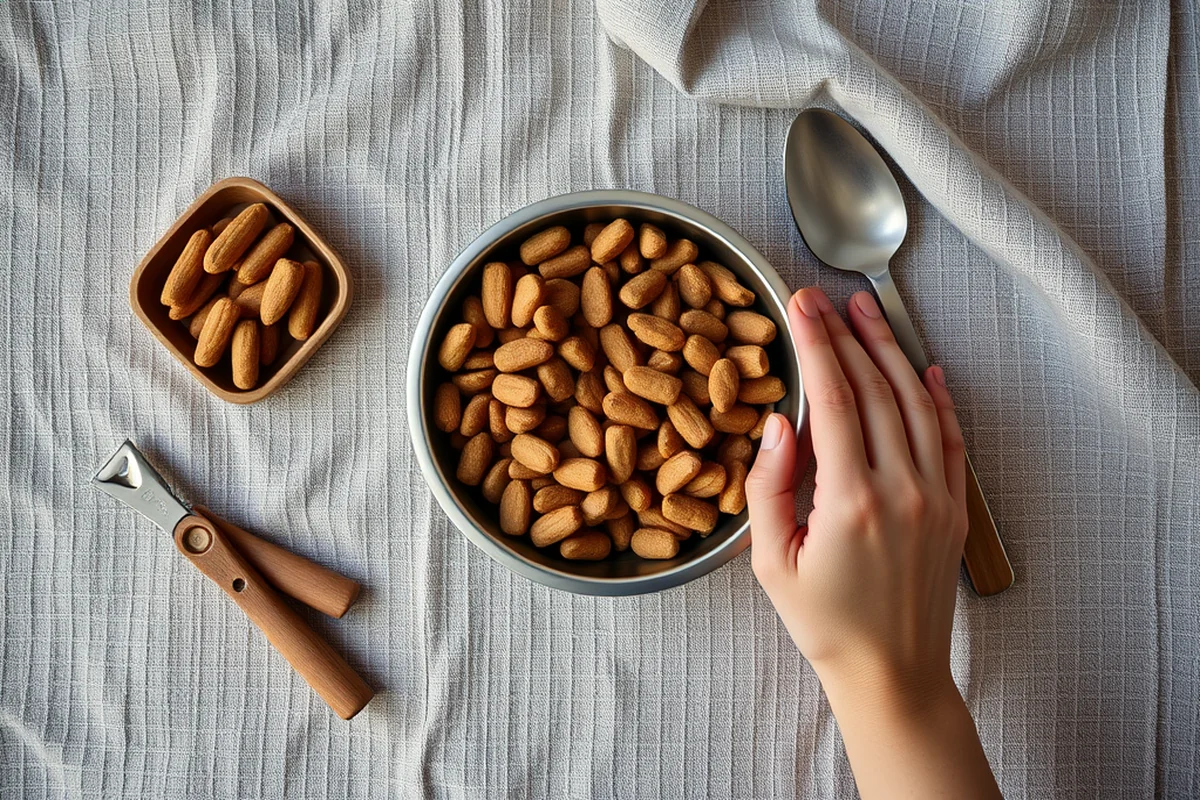
Indoor cats often have less exposure to chew toys and other dental stimulation, making them more prone to dental issues like plaque and tartar buildup. I noticed that after switching Luna to wet food, I didn’t have to brush her teeth as often, and her dental checkups became less stressful.
I spoke with my vet, who confirmed that wet food can reduce the risk of dental disease in cats by keeping their mouths moist and reducing the time food sits on their teeth. She said that dry food can actually contribute to plaque buildup due to its crunchy texture, which can be abrasive over time.
Now, I give Luna a small amount of wet food each day and combine it with regular dental checkups. Her teeth have stayed healthier, and I’ve noticed a decrease in bad breath. For indoor cats, wet food can be a simple yet effective way to support long-term dental health.
Related: How to senior cat care budget
How Wet Food Can Help with Weight Management
Indoor cats are prone to weight gain because they don’t get the same amount of physical activity as outdoor cats. I noticed that after switching Luna to wet food, she was more satisfied after meals and didn’t beg for food as often. Her weight stabilized, and I didn’t have to worry as much about her gaining too much.
I found that wet food has a higher water content, which can help cats feel fuller for longer. This reduces the urge to overeat, especially in cats who are prone to weight gain. I now feed Luna two small portions a day, which helps prevent overeating and keeps her weight in check.
The combination of high-quality protein and moisture in wet food has been a game-changer for Luna. She’s maintained a healthy weight without any effort on my part, and she seems more energetic and engaged. For indoor cats, wet food can be a powerful tool in managing weight and promoting overall health.
Related: Senior cat care budget checklist
The Benefits of Feeding Wet Food for Indoor Cats
Wet food is more than just a meal — it’s a vital part of an indoor cat’s health strategy. I’ve seen firsthand how switching to wet food has improved Luna’s hydration, digestion, and weight management. Her overall energy levels have increased, and she seems more engaged with her environment.
I’ve tested several wet cat foods and found that those with high moisture content, quality protein, and moderate fiber have been the most effective for Luna. She’s had fewer health issues, and her vet has noticed a difference in her overall health. It’s been a small but impactful change.
For any indoor cat owner, wet food is a simple yet powerful way to support your cat’s health. It’s not just about what your cat eats — it’s about making sure they’re getting the right nutrients, staying hydrated, and maintaining a healthy weight. The benefits are clear and long-lasting.
Wet food is a small change with a big impact on your cat’s health.
Related: Senior cat care budget examples
How to Choose the Best Wet Cat Food for Your Indoor Cat
Choosing the best wet cat food for your indoor cat can feel overwhelming, but there are a few key factors to look for. I focused on high moisture content, quality protein sources, and minimal fillers. I also checked the fiber content and made sure the food wasn’t too high in carbohydrates.
I tested several brands and found that those with at least 70% moisture content and high-quality animal proteins like chicken, turkey, or fish worked best for Luna. I also avoided foods with high amounts of fillers like corn or wheat, which can be hard for cats to digest.
Now that I’ve found the right wet cat food for Luna, I feel confident in her health. It’s a small change that has made a big difference, and I know it’s helped her stay hydrated, maintain a healthy weight, and stay more energetic. For any indoor cat owner, choosing the right wet food is a key step in promoting long-term health.
👵 Senior Indoor Cat
Senior cats need more hydration and easier digestion, so choose wet food with high moisture and gentle ingredients.
🐱 Small Breed Indoor Cat
Small breeds have unique energy needs — look for wet food with high-quality protein and minimal fillers.
🐾 Multi-Pet Home
In homes with multiple cats, wet food can help manage feeding time and reduce competition among pets.
💰 Budget-Conscious Pet Owner
There are high-quality wet cat food options at reasonable prices — look for store brands with good reviews.
✈️ Traveling Pet Owner
Wet food is easy to carry and store — choose travel-friendly options for on-the-go feeding.
| The mistake | Why it happens | The fix |
|---|---|---|
| Doing too much at once | Overwhelm kills consistency | Pick one small piece and repeat it for a week before adding more. |
| Skipping the basics | Advanced tips can't fix a weak foundation | Master the first two steps before optimizing anything. |
What Is The Healthiest Wet Cat Food For Indoor Cats
Common Questions
Can I feed my indoor cat only wet food?
Is wet food better than dry food for indoor cats?
How much wet food should I feed my indoor cat daily?
Can wet food help with my cat's urinary issues?
References
- (PDF) Food selection by the domestic cat, an obligate carnivore (academia.edu)
- PLANT INDUSTRIES DIVISION BUREAU OF FEED AND SEED (agriculture.mo.gov)
- Feline Information Packet (canr.msu.edu)
- The Vetrospective Podcast - Center for Companion Animal Health (ccah.vetmed.ucdavis.edu)
Cite this guide
Quietcatyears (2026). What Is The Healthiest Wet Cat Food For Indoor Cats. https://quietcatyears.com/what-is-the-healthiest-wet-cat-food-for-indoor-cats/
Feel free to cite or share this guide.