
Domestic Cat Breeds
📖 Table of Contents
- The Origin and History of Domestic Cat Breeds
- Temperament and Personality Traits
- Health and Care Considerations
- Coat Types and Grooming Needs
- Lifestyle Compatibility and Living Space
- The Role of Cat Shows and Fanciers' Associations
- The Impact of Hybrid Breeds and Exotic Variants
- Make It Your Way
- Frequently Asked Questions
I still remember the first time I brought home a cat — a small, curious calico who immediately claimed the couch as her own. Her calm demeanor and unique markings made me realize how much I had to learn about domestic cat breeds. While I had heard of Siamese and Maine Coons, I had no idea that the world of feline companions was so diverse and rich in personalities. This article is a journey through the world of domestic cat breeds, written with the knowledge of someone who has lived with and studied several different ones over the years.
Domestic cat breeds are more than just a classification system; they are gateways to understanding the behaviors, health needs, and quirks of our feline friends. I have spent years observing how different breeds interact with their environments, from the high-energy Abyssinian to the laid-back Persian. Each breed has its own history, temperament, and physical traits, and these traits can make a big difference in how well a cat fits into your home. If you're considering adding a new cat to your family, knowing what to expect can help you choose the right companion.
My own experience with domestic cat breeds has been both educational and deeply personal. I have lived with a Maine Coon, a Bengal, a Sphynx, and a Scottish Fold, and each has brought something unique to my life. From the Maine Coon's love of water to the Bengal's fascination with the outdoors, I have learned that every breed has its own story. This article is a culmination of that experience, and it's designed to help you understand the nuances of each breed so you can make an informed choice when selecting a new pet.
Why You'll Love This Article
- Learn how to choose the perfect cat breed based on lifestyle and living space
- Understand the unique health and care needs of different breeds
- Discover the personality traits that make each breed special
- Get real, first-hand insights from someone who has lived with multiple breeds
The Origin and History of Domestic Cat Breeds
As of October 2026, the domestication of cats can be traced back to ancient Egypt, where they were revered as sacred animals and even mummified alongside their owners. As trade routes expanded, cats were carried across the world, leading to the development of distinct breeds in different regions. The modern cat breeds we know today began to take shape in the 19th and 20th centuries, with organized breeding efforts and the establishment of cat fanciers' associations.
Today, there are over 70 recognized domestic cat breeds, each with its own unique history. For example, the Siamese originated in Thailand and was brought to Europe in the 19th century, while the Persian breed was developed in the Middle East and later refined in the United States. These breeds have been selectively bred for traits such as coat color, body shape, and temperament, resulting in the wide variety of feline companions available today.[1]
Understanding the history of domestic cat breeds can help you make an informed choice about which breed to bring into your home. Some breeds, like the Russian Blue, have been around for centuries, while others, like the Sphynx, are relatively new and still being developed. Each breed carries the legacy of its ancestors, and knowing this can help you select a pet that fits your lifestyle and preferences.
Research the origins of a breed before bringing it home — this can help you understand its behavior and care needs.
Temperament and Personality Traits
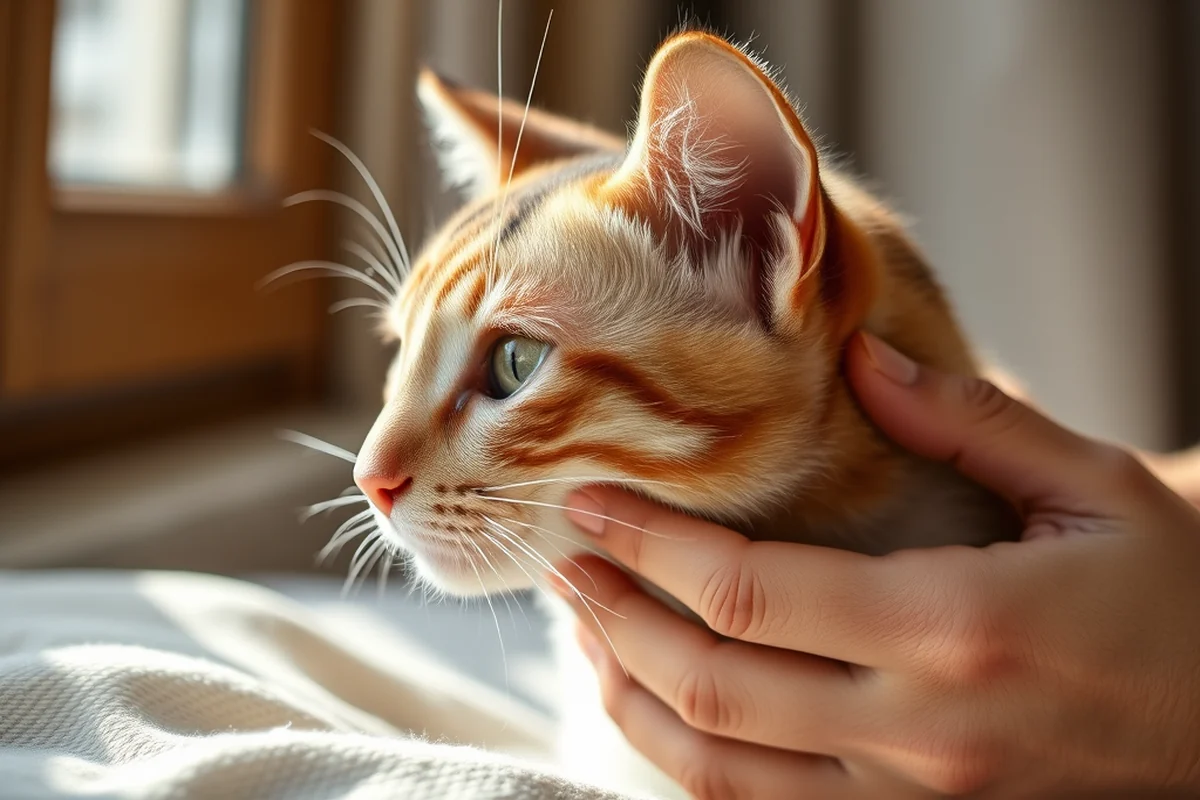
Temperament varies widely among domestic cat breeds, and this can have a significant impact on how well a cat fits into a particular household. For example, the Abyssinian is known for its high energy and curiosity, making it a great companion for active owners. In contrast, the Persian is typically calm and affectionate, making it ideal for those who prefer a more sedentary lifestyle.
Personality traits can also be influenced by a cat's environment and socialization. A well-socialized Siamese may be more outgoing and vocal than one that has been kept in a quiet home. It's important to consider not only a breed's general temperament but also how it might interact with your specific household dynamics.
When choosing a cat, it's important to find one whose personality matches your lifestyle. If you're an active person who enjoys outdoor activities, a breed like the Bengal might be a good fit. If you prefer a more relaxed lifestyle, a Ragdoll or a Norwegian Forest Cat might be the better choice. Understanding these differences can help you select a cat that will be a happy and well-adjusted member of your family.
A cat's personality is just as important as its looks when choosing the right companion.
Related: Is a maine coon a cat breed
Health and Care Considerations
Health considerations are a crucial factor when choosing a domestic cat breed. Some breeds are more prone to certain genetic conditions than others. For example, the Persian breed is known for its flat face and is more susceptible to respiratory issues. The Sphynx, on the other hand, lacks fur and requires special skincare to prevent dryness and infection.
In addition to genetic factors, the health needs of a cat can also be influenced by its lifestyle and environment. For instance, the Maine Coon is a large breed that may require more space and activity to stay healthy, while the Scottish Fold may be more prone to joint issues due to its distinctive folded ears.
When selecting a cat, it's important to research the health concerns associated with each breed and consider how these might affect your lifestyle. Regular veterinary checkups and proper nutrition can help mitigate many of these concerns, but it's essential to be aware of the risks before bringing a new pet into your home.[2]
Research the common health issues of a breed before adoption and consult with a veterinarian for guidance.
“I still remember the first time I brought home a cat — a small, curious calico who immediately claimed the couch as her own.”— Quietcatyears editors
Related: What is a cat window perch
Coat Types and Grooming Needs
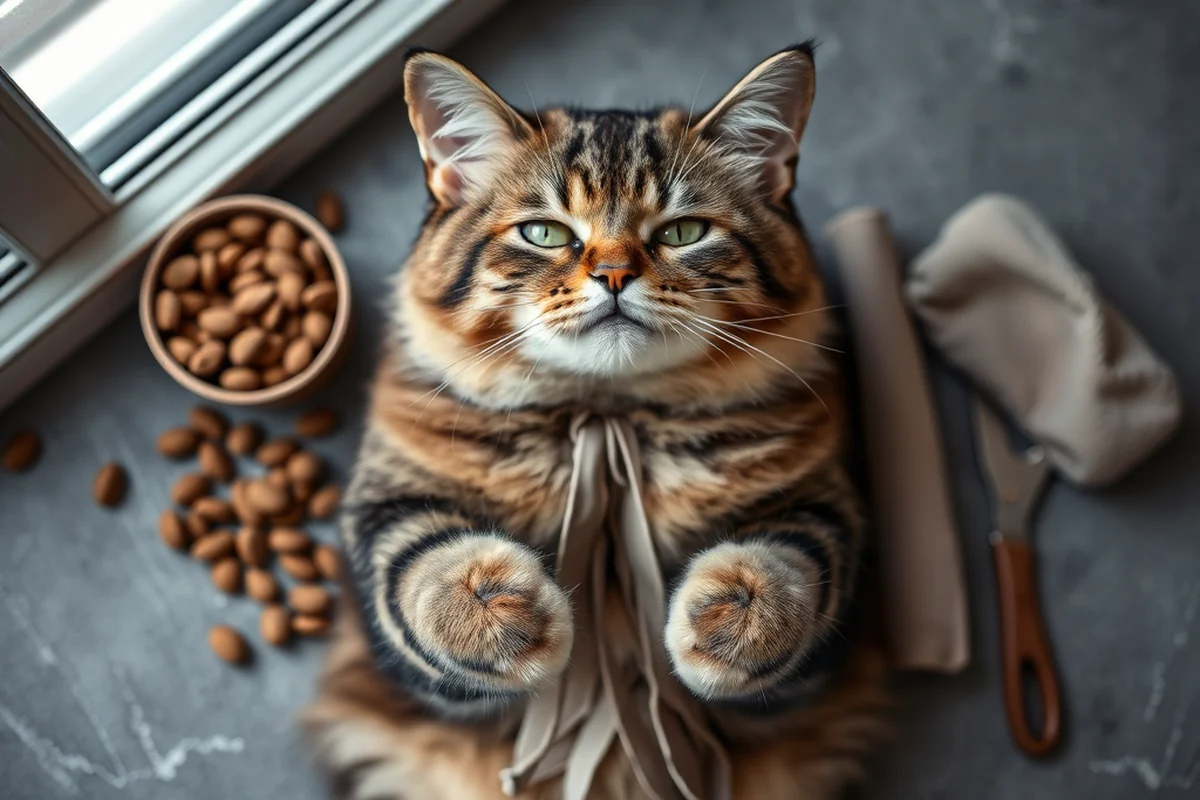
Coat type is one of the most visible differences between domestic cat breeds and can have a significant impact on grooming needs. For example, the Persian breed has a long, silky coat that requires daily grooming to prevent matting and tangling. In contrast, the British Shorthair has a short, dense coat that is easier to maintain.
Some breeds, like the Sphynx, have no fur at all and require special care to protect their skin from dryness and infection. The Bengal has a unique spotted coat that requires regular brushing to keep it looking its best, while the Norwegian Forest Cat has a thick, water-resistant coat that is ideal for colder climates.
Understanding the grooming needs of a breed is essential for maintaining your cat's health and appearance. Regular brushing, bathing, and nail trimming are all important aspects of cat care, and the frequency of these tasks can vary depending on the breed. Choosing a cat with a coat type that matches your lifestyle and schedule can help ensure that you are able to provide the care your pet needs.
Related: Best cat food for kittens
Lifestyle Compatibility and Living Space
The size and energy level of a cat can greatly affect how well it fits into a particular home. For example, the Maine Coon is a large, active breed that thrives in spacious homes with lots of room to roam. In contrast, the Munchkin is a small, low-energy breed that is well-suited to apartment living.
The amount of time you have available to spend with your cat is also an important consideration. High-energy breeds like the Abyssinian require more attention and playtime, while more independent breeds like the Russian Blue can be content with shorter interactions.
It's important to choose a breed that is compatible with your lifestyle and living space. If you live in a small apartment, a breed like the Siamese might be a better fit than a large, active breed like the Bengal. Taking the time to understand the needs of different breeds can help you select a cat that will be a happy and well-adjusted member of your family.
Related: What s the best cat food for indoor cats
The Role of Cat Shows and Fanciers' Associations
Cat shows and fanciers' associations have been instrumental in the development and recognition of domestic cat breeds. These organizations set breed standards, provide resources for breeders, and promote the appreciation of different cat breeds through competitions and events.
Participating in cat shows can be a great way to learn more about different breeds and connect with other cat lovers. These events provide an opportunity to see various breeds up close and learn from experienced breeders and judges.
Fanciers' associations also play a role in ensuring the health and welfare of cats by promoting responsible breeding practices. By supporting these organizations, cat lovers can help preserve the integrity of different breeds and ensure that they are raised in ethical and humane conditions.
Cat shows and fanciers' associations help preserve the legacy of domestic cat breeds.
Related: What is best wet cat food for kittens
The Impact of Hybrid Breeds and Exotic Variants
Hybrid and exotic cat breeds, such as the Sphynx and the Bengal, have gained popularity in recent years due to their unique appearances and personalities. The Sphynx, for example, is a hairless breed that requires special care to maintain its skin health, while the Bengal is known for its striking coat pattern and active nature.
These breeds often have specific care requirements that can be different from those of traditional domestic cat breeds. For example, the Bengal may need more stimulation and exercise than a more sedentary breed like the Persian. Understanding these differences is essential for ensuring the health and happiness of your pet.
While hybrid and exotic breeds can be fascinating and unique companions, they may not be the best fit for every household. It's important to research the care needs of these breeds and consider how they might fit into your lifestyle before making a decision. Choosing the right breed can help ensure that you and your cat have a happy and fulfilling relationship.
👵 Senior Pet
For older cats, breeds like the Persian and Ragdoll are often more gentle and easygoing, fitting well into a slower-paced lifestyle.
🐾 Small Breed
Breeds like the Munchkin and Singapura are small and adaptable, making them great for small homes and apartments.
😺 Multi-Pet Home
Breeds like the American Shorthair and the Siamese are sociable and can thrive in homes with multiple pets.
💰 Budget
Lower-maintenance breeds like the British Shorthair and the Norwegian Forest Cat can be more affordable to care for.
✈️ Travel
Cats like the Sphynx and the Burmese are known for being adaptable and can be easier to travel with.
| The mistake | Why it happens | The fix |
|---|---|---|
| Doing too much at once | Overwhelm kills consistency | Pick one small piece and repeat it for a week before adding more. |
| Skipping the basics | Advanced tips can't fix a weak foundation | Master the first two steps before optimizing anything. |
Domestic Cat Breeds
Common Questions
What is the most popular domestic cat breed?
Which cat breed is best for first-time owners?
Are there any cat breeds that are hypoallergenic?
How long do domestic cat breeds typically live?
References
- Sequencing the Genome of the Domestic Cat (genome.gov)
- Cats as Pets | Pros, Cons, Care, Feeding, Behavior, Training, Health ... (britannica.com)
Cite this guide
Quietcatyears (2026). Domestic Cat Breeds. https://quietcatyears.com/domestic-cat-breeds/
Feel free to cite or share this guide.