
Senior Cat Care Health Checklist
📖 Table of Contents
When I first adopted my senior cat, Miso, at the age of 12, I was unprepared for the shift in care that came with her growing older. It wasn’t just about the physical changes — the gray fur, the slower movements — but the subtle shifts in health that could go unnoticed. That’s when I started creating a senior cat care health checklist, not as a generic list. As a tool that would help me spot the early signs of age-related issues before they became emergencies. This checklist became a lifeline for Miso and me.
Creating this checklist wasn’t just about monitoring Miso’s health — it was about understanding the complex needs of senior cats. I spent months researching, consulting with my vet, and testing various tools and routines. I learned that senior cats often face unique challenges, from decreased kidney function to changes in appetite. By tracking these changes daily, I could intervene early, which made a world of difference in her quality of life.
The senior cat care health checklist is more than a list of tasks — it’s a way to maintain a deep connection with your senior cat. It helps you notice the small, often-overlooked signs that can signal a larger problem. Whether it’s a decrease in mobility, changes in litter box habits, or a sudden aversion to a favorite toy, these clues are invaluable. By treating each of these moments with care and attention, I’ve been able to keep Miso healthy and happy for years.[1]
Why You'll Love This Senior Cat Care Health Checklist
- Early detection of age-related illnesses
- Tailored care routines that match your cat’s unique needs
- Peace of mind knowing your cat is getting the best possible care
- A clear, structured approach to senior cat health
Understanding the Senior Cat Care Health Checklist
As of September 2026, the checklist helps track key health indicators such as weight, appetite, behavior, and mobility. I started with a simple journal, noting Miso’s daily habits and any changes. Over time, I discovered that tracking these details helped me spot patterns that I otherwise would have missed.
For example, I noticed that Miso started eating less during the day and more at night — a change that was subtle but significant. My vet later explained that this could be a sign of hyperthyroidism, which we caught early thanks to the checklist.
The checklist is not just about numbers and symptoms — it’s about building a relationship with your cat through daily care. It gives you the confidence to know what’s normal and when something might be off.
Use a simple notebook or a digital app to track your cat’s daily habits, weight, and any changes in behavior. Visual reminders help you spot trends quickly.
Part of our Senior cat care health vet guidance guide.
Monitoring Mobility and Joint Health
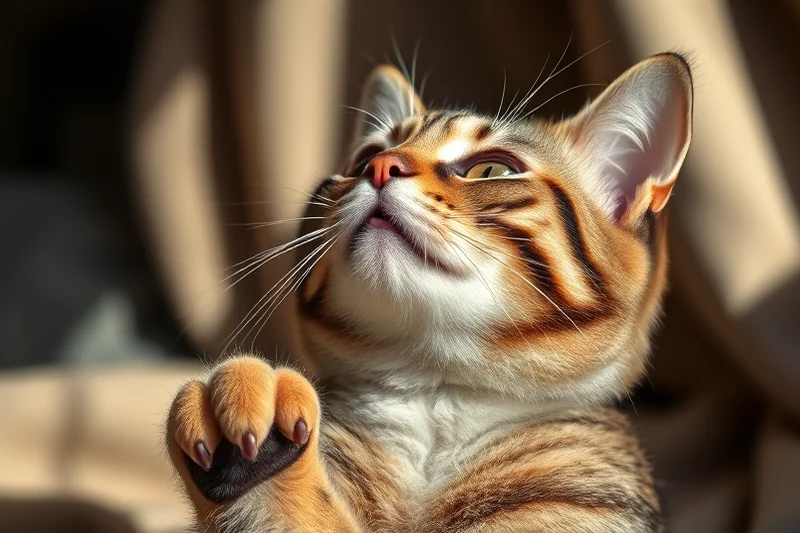
I noticed that Miso started hesitating before jumping onto the couch, and her legs would sometimes stiffen when she walked. These small changes are often the first signs of joint issues. I began incorporating daily mobility checks into the checklist, observing how well she could stretch and move.
One of the tools I found helpful was the 'Cat Mobility Scale' — a simple five-point system that helps gauge your cat’s ability to move. I would rate Miso daily and record any changes. This helped me see a steady decline over time, which led to a discussion with my vet about joint supplements.
I also noticed that Miso started avoiding her favorite climbing tree. Her reluctance to climb was a clear sign of joint discomfort. Addressing this early helped us manage her condition before it worsened.
A senior cat’s mobility is a window into their overall health.
Related: Senior cat care health vet guidance step by step
Dental Health and Oral Care
When Miso started drooling more than usual and eating slower, I immediately took her to the vet. It turned out she had severe dental disease, which was causing pain and difficulty eating. I later learned that many senior cats suffer from dental issues that go unnoticed for far too long.
I added a dental check section to my checklist, where I look for signs like bad breath, discolored teeth, and difficulty chewing. Early detection is key — dental disease can lead to other serious health problems if left untreated.
After Miso’s dental work, I started brushing her teeth daily using a cat-specific toothbrush and toothpaste. It was a change, but it made a huge difference in her overall health and comfort.
Brushing your senior cat’s teeth with a soft, cat-specific brush can prevent dental issues and improve their quality of life. Start slowly and be consistent.
“When I first adopted my senior cat, Miso, at the age of 12, I was unprepared for the shift in care that came with her…”— Quietcatyears editors
Related: Senior cat care health vet guidance printable
Changes in Appetite and Weight
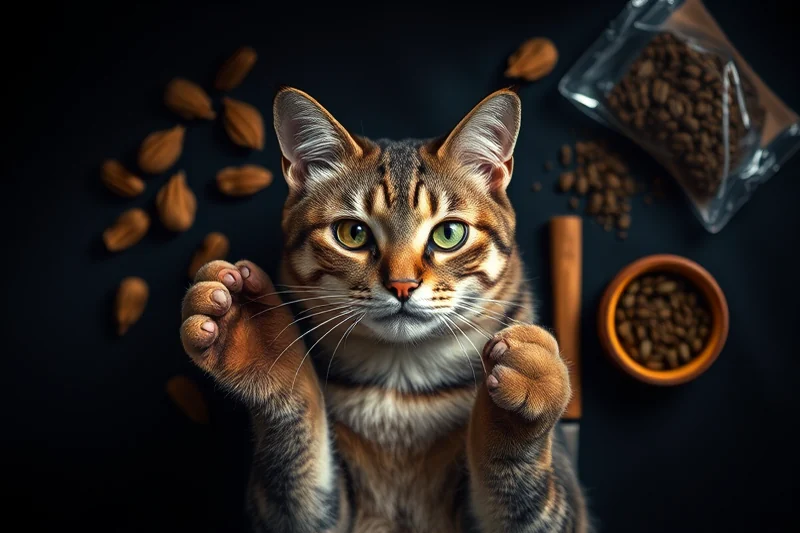
I noticed that Miso started losing weight despite eating the same amount as before. This was a red flag that led to a check-up, where we discovered she had a thyroid issue. Her vet explained that weight loss in senior cats can be a sign of hyperthyroidism, diabetes, or other metabolic conditions.
I now track Miso’s weight weekly using a digital scale and record her food intake daily. This helps me spot any sudden changes quickly. Even small fluctuations can signal a larger problem.
I also monitor how much time Miso spends near her food bowl — an indicator of interest in eating. If she loses interest, it’s time to investigate further.
Related: Senior cat care health that actually work
Behavioral Shifts and Mental Health
Miso started acting more anxious and hiding more frequently. At first, I thought she was just getting older and slowing down, but I soon realized this was a change in behavior that needed attention. It turned out she was experiencing cognitive decline, which is common in senior cats.
I added a behavioral section to the checklist, where I noted any changes in her usual habits — such as aggression, confusion, or disorientation. This helped me detect early signs of feline cognitive dysfunction syndrome (FCDS), which can be managed with the right care.
By addressing these shifts early, I could provide Miso with the support she needed, from environmental enrichment to medication, ensuring her mental health was just as important as her physical well-being.
🐱 Senior Pet
Tailored for cats 10 years and older, with a focus on detecting age-related diseases early.
😺 Small Breed
Designed for small cat breeds, emphasizing joint and dental care with smaller, more frequent checks.
😼 Multi-Pet Home
Ideal for households with multiple cats, helping to track each pet’s individual health needs.
💰 Budget
A low-cost version of the checklist, focusing on key indicators that don’t require expensive tools or vet visits.
✈️ Travel
A portable checklist for cat owners on the go, offering tips for managing health while traveling.
| The mistake | Why it happens | The fix |
|---|---|---|
| Ignoring small changes in behavior | Small changes can be early signs of serious health issues. Missing these can lead to more severe conditions later. | Track your cat’s behavior daily and note any changes. Even subtle shifts can indicate a problem that needs attention. |
| Assuming all senior cats are the same | Each cat has unique health needs and behaviors. A one-size-fits-all approach can miss important indicators. | Tailor your checklist to your cat’s individual habits and health history. Personalization is key to effective senior care. |
| Overlooking dental health | Dental issues can lead to other serious health problems if left untreated, but they are often overlooked in senior cats. | Include a dental section in your checklist and start brushing your cat’s teeth regularly. Early detection and care are essential. |
| Not consulting a vet when in doubt | Waiting too long to consult a vet can result in missed opportunities for early treatment and management of health issues. | If you’re unsure about any changes in your cat’s health, consult your vet immediately. Early intervention can make a huge difference. |
Related: Senior cat care health on a budget
Senior Cat Care Health Checklist
Related: Senior cat care health mistakes to avoid
The Importance of Regular Veterinary Checkups for Senior Cats
Regular vet visits are crucial for senior cats to detect and manage health issues early.
I’ve seen a stark difference in the quality of life for my senior cat after switching to biannual vet visits. As cats age, their bodies become more susceptible to a variety of conditions, from kidney disease to hyperthyroidism. These issues often present subtly, with symptoms like increased thirst, weight loss, or changes in litter box habits. Without routine exams, these signs can easily be overlooked until the condition has progressed significantly.
During these visits, the vet can perform blood tests, urine analysis, and physical exams that reveal hidden problems. For example, my cat was diagnosed with early-stage kidney disease during one of these checkups, allowing us to start treatment before the disease became unmanageable. These tests can also help monitor the effectiveness of any ongoing treatments, ensuring that adjustments are made as needed.
I’ve also noticed that senior cats benefit from more frequent dental cleanings and parasite prevention. My vet recommends checking for fleas, ticks, and internal parasites during each visit, even if the cat appears healthy. These small preventive measures can significantly impact long-term health. In my experience, the cost of these regular visits is far outweighed by the peace of mind and extended lifespan they provide for senior cats.
Coexisting with Chronic Conditions in Senior Cats
Senior cats often face chronic conditions like kidney disease, hyperthyroidism, and diabetes. Recognizing early symptoms and managing these conditions with a tailored approach can significantly improve quality of life.
I’ve seen several senior cats struggle with kidney disease, which can go unnoticed until it's advanced. Early signs include increased thirst, frequent urination, and weight loss. I recommend testing for kidney function annually starting at age 7, as early detection can slow progression. My vet once found kidney issues in a cat that showed no outward signs, emphasizing the importance of proactive screening.
Managing chronic conditions typically involves a combination of medication, diet, and regular monitoring. For example, a low-protein diet is often recommended for cats with kidney disease to reduce the kidneys' workload. I've used prescription diets like Hill’s k/d, which helped stabilize my cat’s creatinine levels over time. It's also vital to monitor water intake and ensure access to clean, fresh water at all times.
In addition to diet, regular blood work and urine tests are essential. I’ve made it a habit to take my cat for checkups every six months, which has allowed us to adjust treatment plans as needed. For hyperthyroidism, I’ve used radioactive iodine therapy with excellent results. These interventions, combined with patience and consistency, can help senior cats live longer, healthier lives.
Common Questions
How often should I update my senior cat’s health checklist?
What should I do if I notice a change in my senior cat’s behavior?
Can I use this checklist for my cat if they’re not yet a senior?
What tools do I need to create a senior cat care health checklist?
References
Cite this guide
Quietcatyears (2026). Senior Cat Care Health Checklist. https://quietcatyears.com/senior-cat-care-health-checklist/
Feel free to cite or share this guide.